1888 Kingboard Laminates: How a CCL Giant Became Hong Kong's AI Surprise
A plain-English breakdown of 1888 Kingboard Laminates, the world's largest copper-clad laminate maker, and why its 2026 surge of over 5x made it one of the Hang Seng Composite's top performers on AI datacenter demand.
1888 Kingboard Laminates: How a CCL Giant Became Hong Kong's AI Surprise
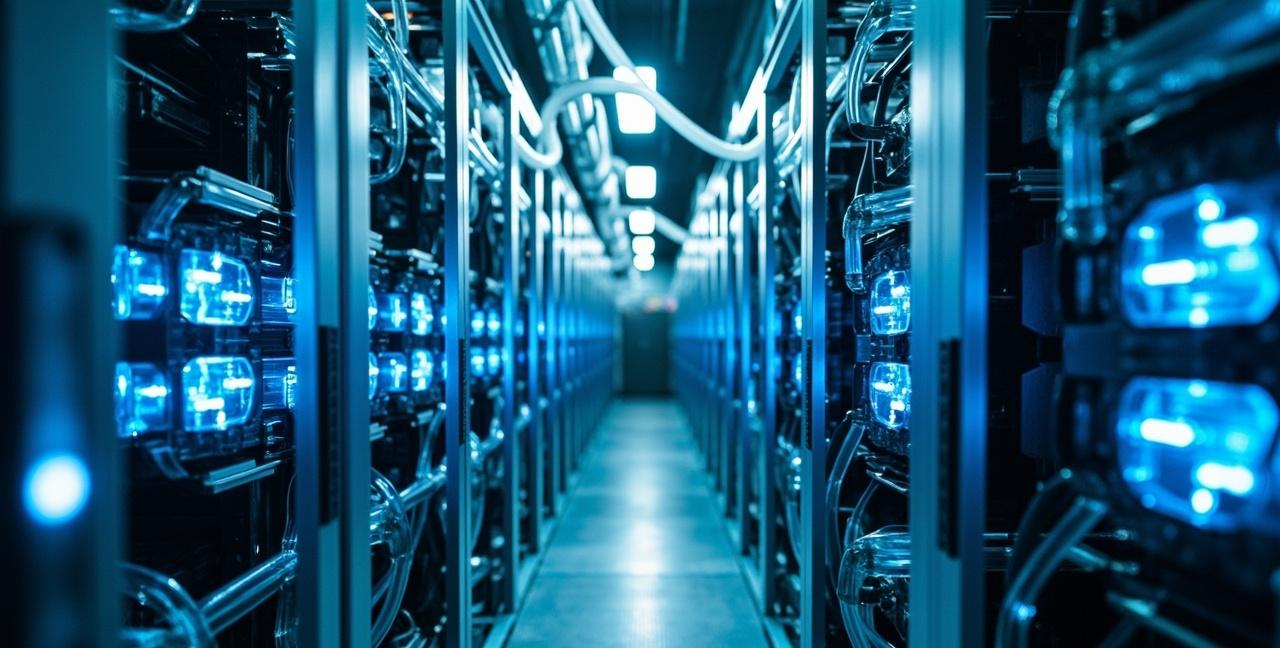
If you think the AI boom only benefits names like Nvidia and TSMC, you are missing an entire layer of the supply chain. Behind every GPU server stack in a hyperscale datacenter sits a humble but critical material: copper-clad laminate (CCL). And the world's largest producer of CCL is Hong Kong-listed Kingboard Laminates Holdings (1888.HK).
In 2026, this old-school industrial stock went on a tear. From roughly HK$14 at the start of the year to an intraday high above HK$107, its year-to-date gain at one point approached 557%, making it the second-best performer in the Hang Seng Composite Index — only behind AI model play Zhipu. Even after pulling back to HK$38.60 by the August 15 close, the story remains striking for a company that sells circuit-board raw materials.
What Is CCL, and Why Did It Suddenly Get Expensive?
To understand Kingboard Laminates, you first need to understand CCL (Copper Clad Laminate).
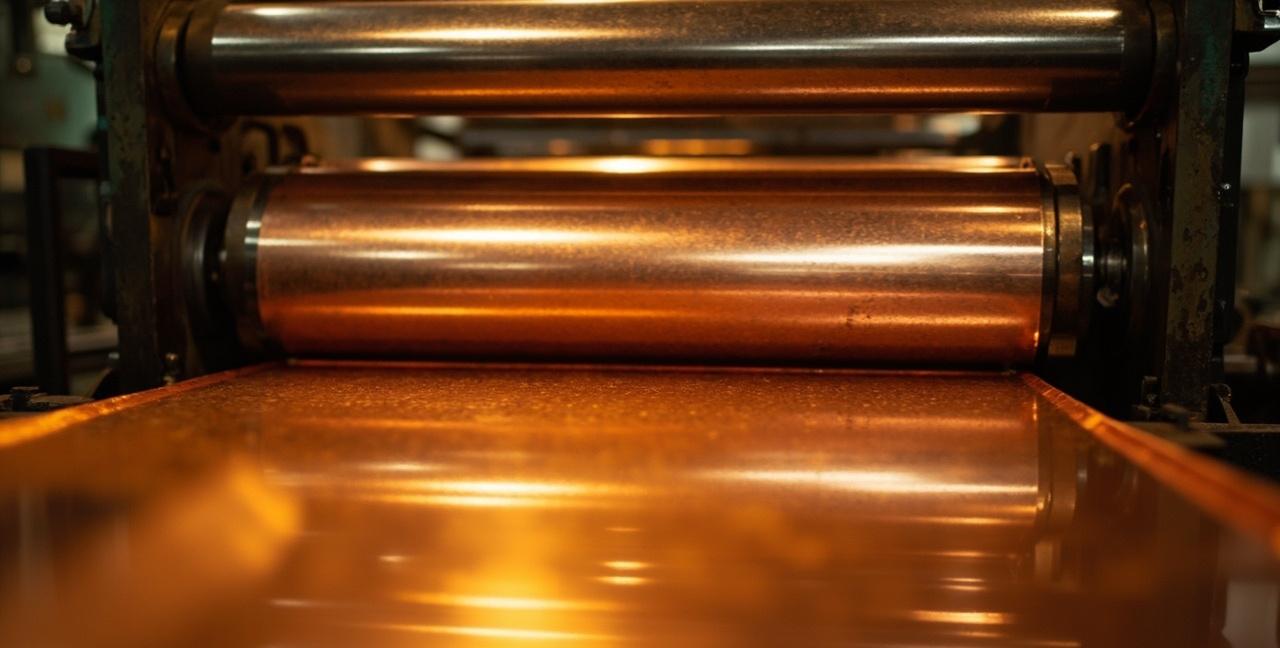
Think of it as the "raw blank" of a PCB (printed circuit board): an insulating resin sheet with a thin layer of copper foil laminated to one or both sides. PCB fabricators then etch, drill and plate the sheet into the green, trace-laden boards inside your phone, your car, and your AI server. No CCL, no PCB. No PCB, no working electronics.
CCL has long been seen as a low-margin, cyclical business — copper goes up, makers profit; copper goes down, they suffer. This cycle is different. AI training servers demand far more layers and far higher signal speeds than consumer devices, which lifts demand for high-frequency, high-speed CCL and for the electronic-grade fiberglass cloth and specialty resins used to make it. That is precisely where Kingboard Laminates' vertically integrated footprint is strongest.
Two-Leg Strategy: Vertical Integration as a Moat
Kingboard Laminates' edge is not a single product's market share — it is the ability to control almost the entire upstream chain:
- Upstream: in-house electronic-grade fiberglass cloth, bleached kraft paper, epoxy resin and chemicals
- Midstream: rigid CCL (number one in global market share for 20 consecutive years)
- Downstream: PCB processing via parent Kingboard Holdings (148.HK)
This "produce the raw materials and laminate them ourselves" model really pays off when copper and fiberglass prices rise together. Upstream cost inflation gets absorbed by downstream pricing power, giving Kingboard a margin elasticity that pure-processors cannot match.
Because CCL is an intermediate material, Kingboard Laminates' revenue is not dramatic on its own. In 2025, full-year revenue came in around HK$20.4 billion, up 10% year-on-year; net profit was HK$2.44 billion, up 84%. That "flat revenue, exploding earnings" pattern is the classic signature of a CCL price cycle on top of an AI demand wave.
The Three Catalysts of 2026
The first catalyst is AI demand. Hyperscalers are aggressively building datacenters to train and serve large models, lifting both unit volume and unit price of high-frequency CCL and fiberglass cloth. Sell-side analysts broadly view this as a multi-year infrastructure-grade expansion rather than a short consumer-electronics cycle.
The second is parent-company capital action. In June 2026, controlling shareholder Kingboard Holdings placed 160 million shares at HK$76 each (an 11.5% discount to the prior close), raising about HK$11.78 billion. The proceeds are earmarked for PCB capacity expansion, HDI upgrades and R&D — effectively a "reinvest in the core" move. Some investors read a high-level placement as a warning sign, but management's intent is clear: pour the gains back into capacity.
The third is valuation rerating. Sell-side targets moved repeatedly through the year. Bank of America initiated at Buy with a HK$53 target; Citi's most recent target is HK$100 (the stock has since pulled back from highs). The market logic: when a single name combines "cyclical upside + AI narrative + high dividend", its valuation ceiling gets redrawn.
The Risks: The Pullback Has Already Started
But nothing goes up forever. From HK$107 to roughly HK$38 in just a few months, Kingboard Laminates has given back most of its 2026 spike. Several risk signals deserve attention:
- Mean reversion after extreme re-rating. A stock up 5.5x in a year, with the P/E ballooning from single digits to multiples of twenty, has very little room for disappointment.
- Insider selling signal. Even though the HK$11.78 billion is being redeployed into the core business, a placement at all-time highs is read by some as "management thinks the price has caught up."
- Copper and fiberglass price volatility. CCL gross margin depends heavily on cost pass-through. If AI demand softens or competitors (Nan Ya Plastics, Elite Material, Iteq) accelerate capacity, the price premium can disappear fast.
- Technical signals are bearish. On the daily chart, multiple indicators have flipped to "Strong Sell", and the medium-term trend is not yet constructive.
Three Things for General Investors to Watch
First, do not treat Kingboard Laminates as a pure AI play. Its core business is still industrial materials — it is fundamentally a cyclical. AI has lifted this cycle's ceiling; it has not turned the company into a permanent compounder.
Second, the dividend is the safety net. Kingboard has a long history of stable payouts, and after the pullback the trailing yield has climbed back above 4%. That is meaningful for income-focused investors, provided they can stomach continued volatility.
Third, watch parent Kingboard Holdings (148.HK). The two stocks trade as a linked pair — same AI-CCL narrative, same shareholder actions, same high-yield industrial-rerating theme. News on one side tends to show up on the other within days.
Closing Thoughts
Kingboard Laminates' story illustrates a broader point: in the AI era, real money can be made not just by the chip designers in the spotlight, but by the quiet factories that quietly dominate a critical material niche. But precisely because it is a materials stock riding a cycle, violent swings in both directions are the norm. Understanding the business, the financials and the risk structure matters more than chasing the latest headline.
⚠️ Disclaimer: This article is for educational purposes only and does not constitute investment advice. Investing involves risk.
🎯 Quick Quiz
Finished reading? Test what you remember
Question 1/5
What is the role of copper-clad laminate (CCL) in the electronics supply chain?
✗ Incorrect
Your answer:—
Correct answer:B. An intermediate material that PCB fabricators etch into circuit boards
💡 The article describes CCL as the 'raw blank' of a PCB: an insulating resin sheet laminated with copper foil that PCB fabricators etch, drill and plate into the green boards used in phones, cars and AI servers.