PG (Procter & Gamble) Investment Analysis: 20+ Billion-Dollar Brands + 67 Years of Dividend Hikes — The Ultimate Safe Haven in Consumer Staples
PG Q3 FY26 reported revenue of $19.78B (organic +3%) with a 51% gross margin, led by the Beauty segment at organic +7%. The portfolio features 20+ billion-dollar brands (Tide, SK-II, Olay, Pampers, Crest, Gillette). PG has raised its dividend for 67 consecutive years, with a ~2.6% yield and $15B returned to shareholders annually. Key headwinds include $1B in tariff cost pressure, declining North American birth rates, and mass-market category share loss to private-label brands.
: The Absolute King of Global Consumer Staples
Procter & Gamble (NYSE: PG) owns the world's largest portfolio of fast-moving consumer goods (FMCG) brands — 20+ billion-dollar brands covering every corner of the household. You definitely have at least one P&G product at home: Tide laundry detergent, Pampers diapers, Crest toothpaste, Gillette razors, SK-II serum...
Q3 FY26 Key Data:
- Revenue $19.78 billion (organic +3%)
- Gross margin 51%
- Beauty segment organic +7% 🔥 (highest growth)
- Full-year shareholder return $15 billion (dividends + buybacks)
- 67 consecutive years of annual dividend increases 🏆
- Dividend yield ~2.6%
- FCF (TTM) $15 billion
PG's positioning: 5 major categories × 180+ countries globally × 20+ billion-dollar brands = the world's most diversified consumer staples portfolio. Economic recession? People won't stop doing laundry, brushing teeth, or changing diapers.

*Global supply chain — scale is PG's biggest cost moat. Global factories + bulk procurement = lowest unit cost in the industry. AI-optimized inventory + marketing = continuously compressing expense ratios.*
1. Five Major Segments: Multi-Brand FMCG Business Model
① Fabric & Home Care (~35%) — Foundational Cash Cow
| Brand | Category |
|---|---|
| Tide | Laundry detergent |
| Ariel | Laundry detergent (international markets) |
| Febreze | Fragrance/air freshening |
Core characteristics:
- Global household essential repeat consumption → largest volume
- Strongest cost advantage from production scale
- Formula upgrades + premium tier price increases → continuous increase in per-customer spend
- Tide's 2026 newly upgraded formula → volume rebound
- Gross margin steady 50%+
② Beauty, Hair & Personal Care (~19%) — High-Growth Core Engine 🔥
| Brand | Positioning |
|---|---|
| SK-II | Premium skincare (China market core) |
| Olay | Mass-market anti-aging |
| Pantene | Shampoo & hair care |
| Rejoice | Mass-market shampoo |
Growth logic:
Mass-market value lines (Olay/Pantene/Rejoice) → scale coverage
Premium tier (SK-II) → high-margin increment 💰
→ Refined tiered pricing → AI marketing precision targeting
→ Drives higher share of premium products
→ FY26 segment organic growth +7% = highest across the group 🔥
→ China market as core growth region
③ Baby, Feminine & Family Care (~25%) — Defensive Base
| Brand | Category |
|---|---|
| Pampers | Diapers |
| Always | Feminine hygiene |
Essential rigid demand = strongest defense:
- Strongest demand resilience during macroeconomic downturns
- North America birth rate decline → domestic sales under pressure ⚠️
- Compensating via emerging markets + premium ultra-thin products
- Serves as the group's cyclical hedge segment
④ Oral Care (~12%) — Steady Mid-Speed Growth
| Brand | Category |
|---|---|
| Crest | Toothpaste |
| Oral-B | Electric toothbrushes |
| Vicks | Cold care |
- Strong repeat-purchase nature
- Premium electric toothbrush line → continuously lifting gross margin
- Deep global pharmacy + supermarket channel coverage
⑤ Grooming — Mature & Stable
| Brand | Category |
|---|---|
| Gillette | Razors + blades |
| Braun | Electric grooming |
- Continuous blade consumable repurchase = "razor + blade" model
- One-time device sales + long-term consumables monetization
- Innovation-driven price increases to offset volume decline
Overall Profit Logic
5 major categories × 20+ billion-dollar brands → single-point risk diversification
Global factories + bulk procurement → scale effect → lowest unit cost
→ Long-term gross margin 50%+
→ Mature segments deliver stable FCF
→ Reinvest in beauty + emerging market R&D and marketing
→ 67 consecutive years of dividend increases → defensive income core
→ AI end-to-end optimization → supply chain + marketing + new product development
→ Continuously compressing expense ratios
2. Latest Fundamental Data
Q3 FY26 Financial Summary
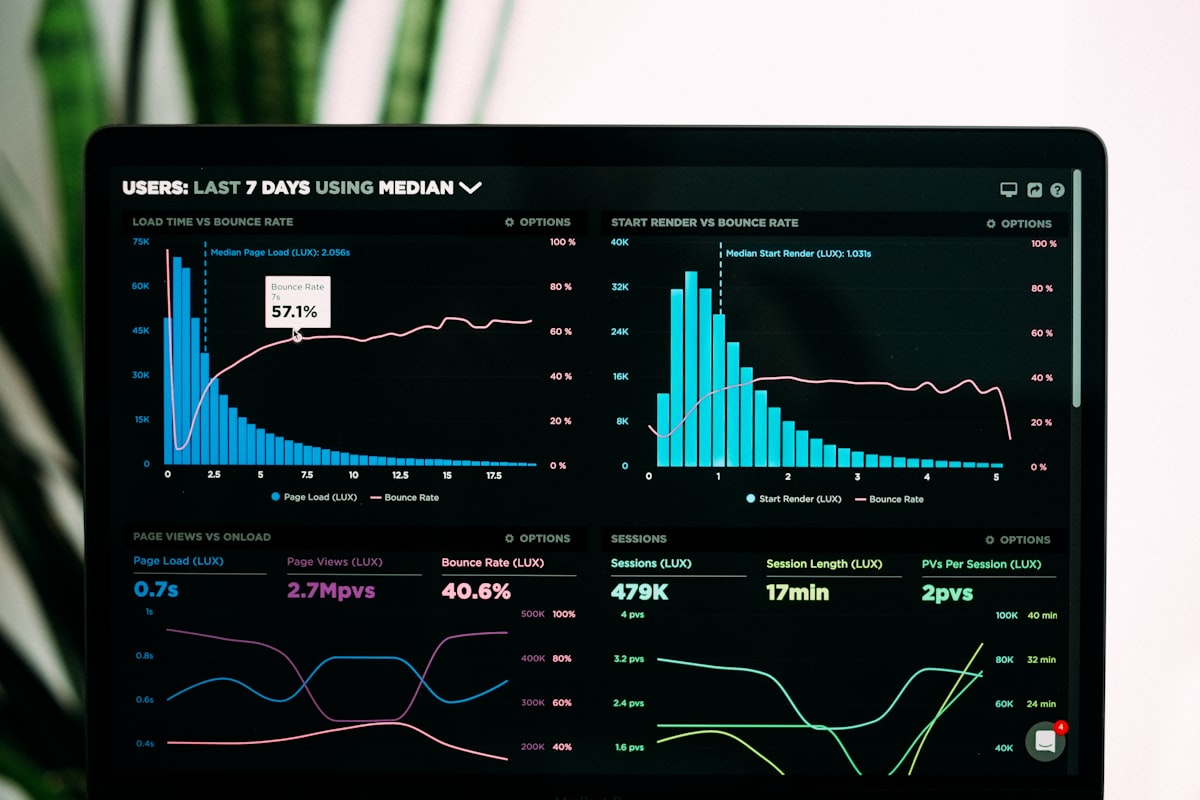
| Metric | Q3 FY26 | YoY |
|---|---|---|
| Revenue | $19.78 billion | Organic +3% |
| Gross margin | 51% | Stable |
| Beauty organic growth | +7% 🔥 | Highest across the group |
| Baby care North America | Slight decline ⚠️ | Birth rate pressure |
Full-Year Guidance + Shareholder Return
| Metric | FY2026 |
|---|---|
| Organic revenue growth | +2-3% |
| Core EPS growth | +4-6% |
| Shareholder return | $15 billion (dividends + buybacks) |
| FCF (TTM) | $15 billion |
| FCF margin | 17% |
Restructuring Plan
| Item | Details |
|---|---|
| Job cuts | 7,000 non-production positions |
| Restructuring costs | $1.5-2 billion |
| Benefit release | Starting FY2027 ✅ |
Dividend + Valuation
| Metric | PG | Interpretation |
|---|---|---|
| Consecutive dividend hikes | 67 years 🏆 | Dividend king |
| Dividend yield | ~2.6% | Stable |
| Forward P/E | ~20-21x | Below 5-year average ✅ |
| FCF Yield | ~3-4% | Reasonable |
Recent Pressures
| Event | Impact |
|---|---|
| Tariff costs | ~$1 billion pre-tax pressure for full year ⚠️ |
| Commodities | Cyclical rises in oil/plastic/pulp |
| North America birth rate | Long-term pressure on baby care |
| SK-II in China | Premium line resilient ✅ / mass-market share dilution ⚠️ |
3. Bull vs. Bear Investment Logic Comparison
🟢 Bullish Catalysts
1. Ultra-defensive sector — no fear even in recession
Economic recession → consumers won't cut back on laundry, brushing teeth, or changing diapers. Consumer staples demand resilience far exceeds cyclical goods. PG = the ultimate safe haven in a recession environment.
2. Five businesses + global multi-region — perfect diversification
5 major categories × 180+ countries = a single segment/region decline won't drag down the whole. This diversification is top-tier in consumer staples.
3. 20+ billion-dollar brands — pricing power moat
Extremely strong consumer mindshare stickiness → continuous price increases to pass through raw material costs. PG's brand portfolio = decades of channel and mindshare barriers built up.
4. Beauty premium line — long-term profit center uplift
SK-II + Olay high-margin products continue to scale → group's overall profit center moves higher long-term. China market premium consumption upgrade = core driver.
5. Restructuring and layoffs — 2027 cost dividend
Cutting 7,000 positions → FY2027 unlocks sustained cost benefits → operating margin moves further up.
6. 67 years of dividend hikes — $15 billion FCF
67 consecutive years of annual dividend increases = the king of dividend kings. $15 billion full-year return = extremely strong shareholder return.
7. AI end-to-end cost reduction
AI optimizes inventory → reduces waste. AI marketing spend → precision targeting. AI new product development → shortens cycle.
8. Long-term emerging market increment
Asia-Pacific, Latin America, Africa per-capita consumption rising → ample long-term shipment volume growth runway.
🔴 Core Risks
1. North America/Europe birth rate decline — long-term pressure on baby care
Mature market demographic shift → birth rate decline → long-term demand compression in baby care. Pampers = one of PG's core brands.
2. Private label + value brand share cannibalization
Supermarket private label quality improvement + lower prices → cannibalizing share in mass-market categories. Forces PG to increase promotions → compressing gross margin.
3. Commodities + tariff costs
Cyclical rises in oil, plastic, pulp. Full-year 2026 tariff costs ~$1 billion → eroding net profit. Hard to fully pass through via price hikes in the short term.
4. Beauty dependence on China market
SK-II premium line is highly dependent on China. If mainland consumer sentiment weakens → directly weighs on the high-growth segment.
5. Low single-digit industry growth rate
Consumer staples industry long-term growth only 2-4%. If growth slows further → low tolerance for high valuation.
6. Intensifying competition
| Competitor | Threat |
|---|---|
| Unilever | Full-line competition |
| Colgate-Palmolive | Oral + personal care |
| Kimberly-Clark | Paper products + baby care |
7. Strong US dollar
US dollar appreciation → overseas revenue translation reduction.
8. Short-term restructuring costs
$1.5-2 billion restructuring costs → compressing net profit for two quarters.
4. Comprehensive Investment Judgment
Short-term Macro Hedge (1-3 months): ✅ Suitable for Hedging
| Factor | Assessment |
|---|---|
| Hedge attribute | Extremely strong — recession first choice |
| Volatility | Extremely low (Beta < 0.6) |
| Catalyst | Earnings (stable), restructuring progress |
| Characteristics | Won't surge, won't crash |
Long-term Income-Generating Defensive Allocation (3-5 years): ✅ Bullish (for steady types)
| Scenario | Probability | Core Assumption | Target Direction |
|---|---|---|---|
| Super bull | 10% | Beauty boom + restructuring beats expectations + emerging markets accelerate | +20-35% |
| Growth | 35% | Steady +3%/year + 2.6% dividend + buybacks | +8-18% |
| Base | 45% | Low single-digit growth + tariff pressure + private label share cannibalization | +2-10% |
| Bear | 10% | Weak consumption + commodity surge + beauty China weakness | -10-20% |
Long-term operational approach:
- Core holding for income investors: 67 years of dividend hikes + 2.6% dividend yield + $15 billion FCF = extremely reliable compounding source
- Defensive allocation: PG falls least during economic recession = portfolio ballast
- Inflation hedge: 20+ billion-dollar brands pricing power = inflation pass-through capability
- Not suitable for: Investors seeking high growth (2-3% growth too slow), speculators chasing capital gains, ESG investors opposing FMCG/chemicals
Key Metrics to Monitor
| Metric | Watchpoint | Why It Matters |
|---|---|---|
| Organic sales growth | Every quarter (can it maintain 3%+?) | Growth engine |
| Gross margin | Can it maintain 50%+? | Pricing power validation |
| Beauty segment growth | Can it maintain 5%+? | High-growth engine 🔥 |
| SK-II China sales | China consumer data | Premium line dependency |
| Tariff costs | Every quarter ($1 billion pressure) | Profit pressure |
| Restructuring progress | 7,000 position cuts | 2027 cost dividend |
| Dividend growth | Every year (year 68?) | Dividend king |
| FCF execution | $15 billion target | Shareholder return |
| Private label share | Market data | Competitive landscape |
Conclusion: The Ultimate Safe Haven in Consumer Staples
PG's investment logic can be distilled as:
20+ billion-dollar brands × 5 major categories × 180+ countries × 67 years of dividend hikes = the world's most stable consumer staples investment.
- Fabric & Home = Cash cow (35%)
- Beauty = Growth engine (+7% 🔥)
- Baby Care = Defensive base (25%)
- Oral = Steady mid-speed (12%)
- Grooming = Mature & stable
The biggest debate:
"Forward P/E ~21x vs growth only 2-3% — is PG too expensive?"
"Like KO — what PG sells is not just products, it sells certainty. The 21x P/E embeds the premium for 67 years of dividends + $15 billion FCF + recession protection."
"PG investors are not chasing 10x returns — what they chase is: no matter what happens in the world, receiving dividends on time every year, with the portfolio not crashing. This is PG's value proposition."
"The beauty segment +7% is PG's most important highlight. If SK-II + Olay can continuously drive premiumization → PG's growth center will rise from 2-3% to 4-5%. This = the catalyst for valuation re-rating."
"The 2027 restructuring dividend = another catalyst. Cutting 7,000 positions → operating margin steps up a level → EPS accelerates."
Final advice: PG, like KO and JNJ, is a 'buy and go traveling' stock. 21x P/E + 2.6% dividend + 67 consecutive years of dividend hikes = a holding you can put down. Putting 5-8% in your portfolio = the best consumer staples defensive allocation. Don't expect it to skyrocket — expect it to provide stable cash flow for you in the storm. This is PG's role.
⚠️ Disclaimer: This article is for educational purposes only and does not constitute investment advice. Investing involves risk.
🎯 Quick Quiz
Finished reading? Test what you remember
Question 1/5
According to the article, what core characteristic makes PG's business model uniquely defensive during economic downturns?
✗ Incorrect
Your answer:—
Correct answer:B. Consumers won't cut back on essential activities like laundry, oral hygiene, and baby care
💡 The article explicitly states: 'Economic recession? People won't stop doing laundry, brushing teeth, or changing diapers.' PG's products serve non-discretionary everyday needs, making demand highly inelastic to economic cycles — the foundation of its positioning as 'the ultimate safe haven in consumer staples.'