KO (Coca-Cola) Investment Analysis: Asset-Light Model + Pricing Power + 64 Years of Dividend Hikes — A Textbook Defensive Investment
Coca-Cola's Q1 2026 revenue reached $12.472 billion (+12%), with operating margin of 35% and EPS +18%. Its asset-light concentrate model delivers gross margin above 60% and FCF conversion above 90%. The company has raised dividends for 64 consecutive years, with a yield of ~2.7%. Zero-sugar Coke is growing double-digits. Emerging markets and a diversified beverage portfolio unlock incremental growth. However, long-term decline in sugary carbonates continues, forward P/E of ~25x is elevated, and growth is only 4-5%.
Coca-Cola: The "Money-Printing Machine" of the World's Strongest Consumer Brand
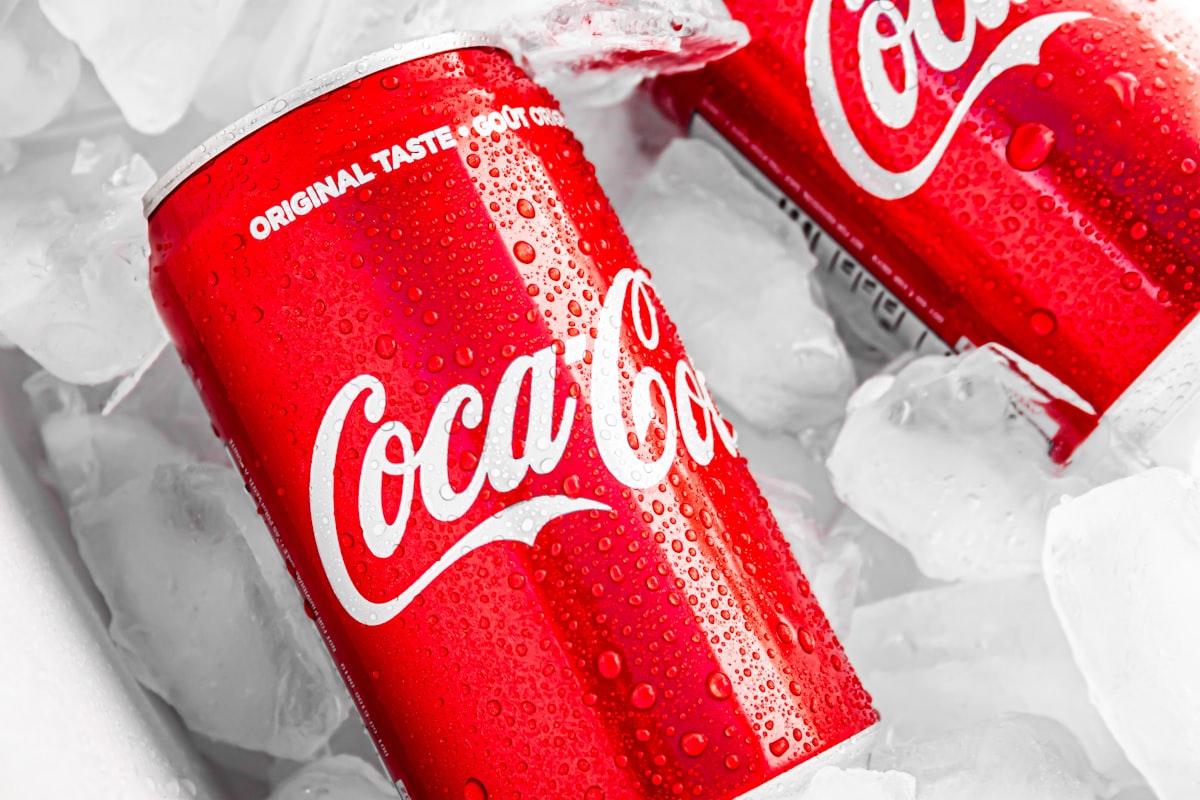
Coca-Cola (NYSE: KO) is more than just a beverage company—it is one of the most valuable consumer brands on the planet. The Coca-Cola logo is recognized in over 200+ countries, with more than 1.9 billion servings of Coca-Cola products consumed globally every single day.
Q1 2026 Key Figures:
- Net revenue $12.472 billion (+12%)
- Organic revenue growth +10%
- Operating margin 35% (+2.1 percentage points)
- EPS $0.91 (+18%)
- Gross margin 60%+ (asset-light model)
- 64 consecutive years of annual dividend increases 🏆
- Dividend yield ~2.7%
Coca-Cola's magic: It only makes the concentrate and the brand, while the heaviest parts—bottling, logistics, and sales—are fully outsourced. This = the world's most efficient consumer goods money-printing machine.
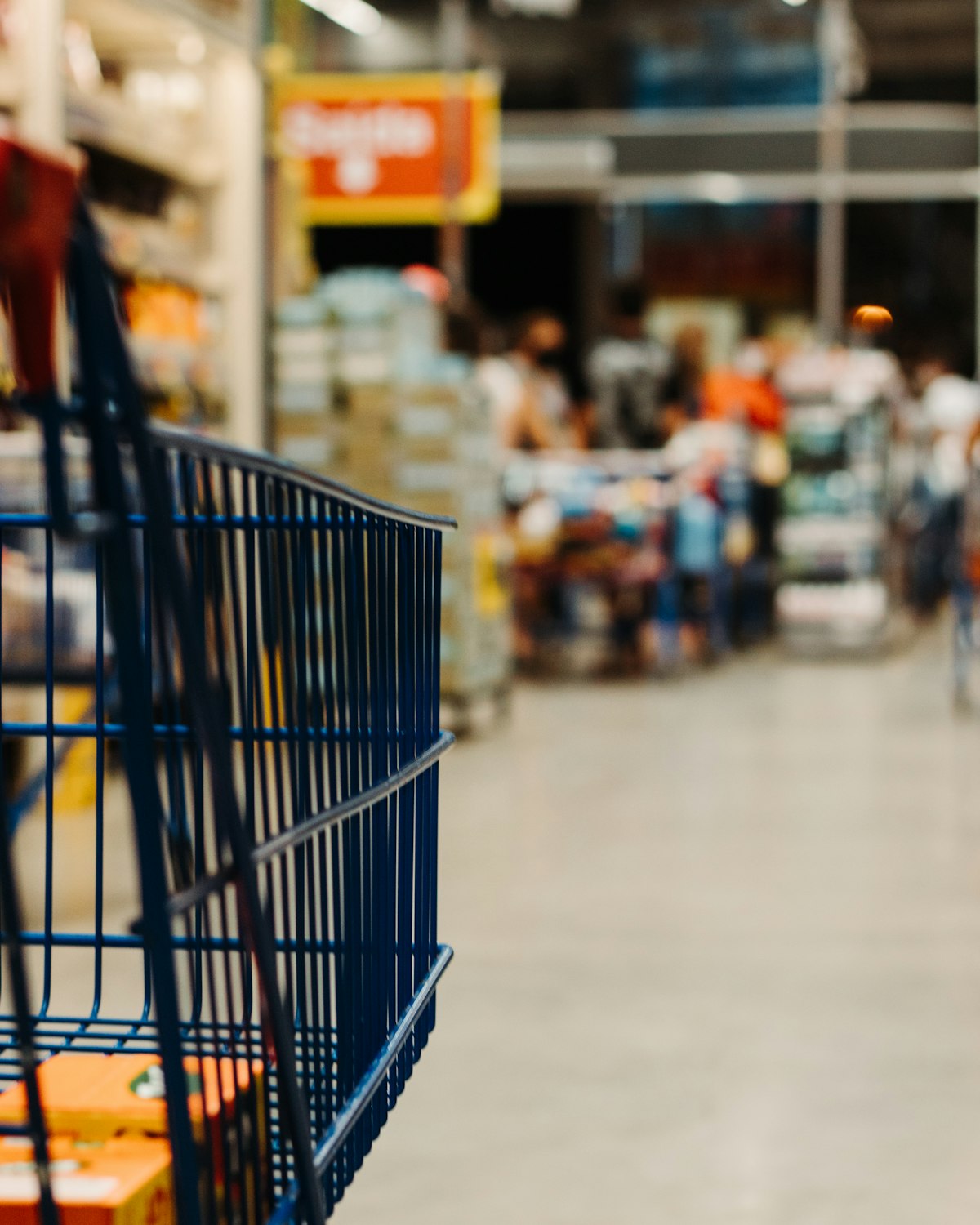
*Global supermarket shelves—Coca-Cola's product matrix spans carbonated drinks, water, coffee, tea, sports drinks, and juice. Multi-tier pricing, multi-format packaging, full-channel coverage.*
1. Asset-Light Concentrate + Franchise Bottling Business Model
① Core High-Margin Concentrate Syrup Sales—The Profit Foundation
| Item | Details |
|---|---|
| KO's Role | R&D of formulas, concentrate production, global brand marketing |
| Bottlers' Role | Bottling, warehousing, logistics, end-point sales |
| Revenue Source | Selling high-margin concentrate syrup to bottlers |
| Gross Margin | 60%+ sustained long-term |
| Coverage | 200+ countries |
Core Logic—"Do the lightest work, earn the highest profit":
Traditional beverage company: Runs its own factories + bottling + logistics + sales → asset-heavy, low margin
Coca-Cola model:
→ Makes only the concentrate (margin 80%+)
→ Brand + formula = core assets (intangible, no depreciation)
→ Bottling/logistics/sales = fully outsourced to franchise bottlers
→ No heavy-asset depreciation, labor, or inventory pressure
→ Gross margin 60%+ vs Pepsi 55% = model advantage
Coca-Cola's core competitive advantage isn't beverages—it's the brand + distribution network. A bottler network spanning 200+ countries = a channel moat built over decades. No competitor can replicate this coverage.
② Diversified Beverage Product Matrix—Hedging Carbonate Decline
| Category | Brands | Features |
|---|---|---|
| Carbonated | Coke, Coke Zero, Sprite, Fanta | Classic foundation |
| Zero-Sugar Cola | Coke Zero Sugar | 🔥 Core growth category |
| Water | Dasani, smartwater | Steady supplement |
| Sports | BodyArmor, Powerade | Highly competitive |
| Coffee | Costa Coffee | High-growth occasion |
| Tea | Fuze Tea, Ayataka | Health-oriented |
| Protein Milk | Fairlife | 🔥 High growth |
| Juice | Minute Maid | Mature category |
Growth Strategy:
Traditional sugared cola → slow volume decline in mature markets
Zero-sugar cola → sustained double-digit growth 🔥 (biggest beneficiary of health trend)
Coffee (Costa) → high-frequency consumption occasion = new growth engine
Sports drinks (BodyArmor) → good category but fierce competition (vs Gatorade)
Fairlife high-protein milk → beneficiary of health trend

→ Diversification = reduced reliance on traditional carbonates
→ Multi-tier pricing, multi-format packaging covering supermarkets/F&B/vending across all channels
Overall Profit Logic
Asset-light model (concentrate + brand licensing) → massive free cash flow (FCF conversion 90%+)
Strong brand moat → sustained pricing power → inflation cost pass-through
Mature markets → price hikes sustain profits
Emerging markets → channel expansion drives volume
Diversification + health orientation → unlocks long-term growth
→ 64 consecutive years of dividend hikes + buybacks = defensive blue-chip
2. Latest Fundamental Data
Q1 2026 Financial Highlights
| Metric | Q1 2026 | YoY |
|---|---|---|
| Net Revenue | $12.472 billion | +12% |
| Organic Revenue Growth | +10% | Strong |
| Global Case Volume | +3% | Stable |
| Operating Margin | 35% | +2.1pp ✅ |
| EPS | $0.91 | +18% |
Full-Year Guidance
| Metric | FY2026 Guidance |
|---|---|
| Organic Revenue Growth | +4-5% |
| Comparable EPS Growth | +7-8% |
| Free Cash Flow | ~$12.2 billion |
Balance Sheet + Shareholder Returns
| Metric | Value | Interpretation |
|---|---|---|
| Net Debt/EBITDA | 1.6x | Below 2-2.5x target ✅ |
| Consecutive Dividend Hikes | 64 years 🏆 | Dividend King |
| Dividend Yield | ~2.7% | Steady |
| FCF Conversion Rate | 90%+ | Extremely high ✅ |
Recent Business Developments
| Event | Impact |
|---|---|
| Zero-sugar cola double-digit growth | Core growth engine 🔥 |
| BodyArmor competitive disadvantage | Impairment risk vs Gatorade ⚠️ |
| Asia-Pacific mature market slowdown | Emerging markets need to fill the gap |
| Middle East/Latin America high growth | Emerging market engine ✅ |
| AI cost reduction & efficiency | Marketing expense ratio continues to decline |
Valuation Metrics (June 2026)
| Metric | KO | Interpretation |
|---|---|---|
| Forward P/E | ~25x | Above consumer staples midpoint |
| Dividend Yield | ~2.7% | Steady |
| FCF Yield | ~3-4% | Reasonable |
3. Bull vs. Bear Investment Logic
🟢 Bullish Catalysts
1. Global Soft Drink Absolute Leader—Century-Old Brand Mindshare Monopoly
Coca-Cola's brand value = Top 5 globally in consumer goods. This brand mindshare has been built for over 100 years—no new brand can replicate it. Century-old brand = sustained pricing power = strongest resilience in inflationary environments.
2. Asset-Light Model—FCF Money Printer
Net income → FCF conversion 90%+
→ Meaning every $1 of net profit ≈ $0.90 becomes free cash flow
→ This conversion rate is top-tier in the consumer goods industry
→ Massive FCF = ammunition for sustained dividends + buybacks
3. Zero-Sugar + Diversification—Reduced Carbonate Dependence
Coke Zero's multi-year double-digit growth = proof that the "healthy cola" route works. Costa Coffee = high-frequency consumption occasion. Fairlife high-protein milk = beneficiary of health trend. Diversified product matrix = long-term growth runway.
4. Emerging Market Demographic Dividend
Middle East, Southeast Asia, Africa = per-capita beverage consumption far below mature markets. Ample channel expansion room = long-term volume growth engine.
5. 64 Consecutive Years of Dividend Hikes—The Ultimate Defense
64 consecutive years of annual dividend increases = "Dividend King." During market panics → capital flows into KO as a safe haven → stock price support.
6. AI End-to-End Cost Reduction
AI-powered smart marketing → marketing expense ratio decline. AI supply chain forecasting → inventory optimization. AI new product R&D → shortened development cycles. Operating margin rising from 32% to 35% = AI cost reduction showing results.
7. Low Net Debt—Extremely Healthy Finances
Net Debt/EBITDA only 1.6x (below the company's 2-2.5x target) → no debt repayment pressure → healthy balance sheet.
🔴 Core Risks
1. Long-Term Decline of Traditional Sugared Carbonates
Rising global health awareness → slow decline in sugared carbonated beverage demand. Growth increasingly depends on: ① price hikes, ② zero-sugar/new product rollout. If price hikes hit consumer tolerance ceiling → growth stalls.
2. Intensifying Competition—Pepsi + Emerging Brands
| Competitor | Threat |
|---|---|
| PepsiCo (PEP) | Full-line competition + Gatorade sports drink advantage |
| Genki Forest | Asian zero-sparkling water targeting young consumers |
| Regional local brands | Local beverage brands in each country diverting share |
3. Rising Costs—Sugar, PET, Logistics
Cyclical increases in raw material (sugar), PET packaging, and transportation costs. If KO cannot continue to pass on costs via price hikes → gross margin under pressure.
4. Growth Only 4-5%—Low Margin for Error at High Valuation
Forward P/E ~25x vs full-year growth of only 4-5%. If growth slows further → market may assign a lower valuation.
5. Currency Risk
KO has a high proportion of overseas revenue → stronger USD → reduced overseas revenue translation.
6. Sugar Tax Regulation
Governments around the world imposing sugar taxes on high-sugar beverages → increased compliance costs + higher end prices → may impact shipment volumes.
7. BodyArmor Integration Underperformance
BodyArmor sports drinks at competitive disadvantage vs Gatorade → may require further impairment.
4. Comprehensive Investment Judgment
Short-Term Hedging Tactical Allocation (1-3 Months): ✅ Suitable for Hedging
| Factor | Assessment |
|---|---|
| Hedging Attribute | Extremely strong—first-choice safe haven during market panic |
| Volatility | Very low (Beta < 0.6) |
| Catalysts | Earnings reports (mostly steady), quarterly dividends |
| Characteristics | Won't surge, won't crash = hedging paradise |
Long-Term High-Dividend Defensive Value Allocation (3-5 Years): ✅ Bullish (Steady Type)
| Scenario | Probability | Core Assumption | Target Direction |
|---|---|---|---|
| Super Bull | 10% | Zero-sugar explosion + emerging markets accelerate + margin greatly improves | +20-35% |
| Growth | 35% | Steady +4-5%/year + 2.7% dividend + buybacks | +8-18% |
| Base | 45% | Price hikes support + slow carbonate decline + diversification supplements | +3-10% |
| Bear | 10% | Sugar tax impact + emerging brands steal share + weak consumption | -10-20% |
Long-Term Operating Approach:
- Top choice for income seekers: 64 consecutive years of dividend hikes + 2.7% dividend yield + 90%+ FCF conversion = extremely reliable income stock
- Defensive core holding: When markets crash, KO usually falls the least → portfolio ballast
- Inflation hedge: Pricing power = inflation pass-through capability. In high-inflation environments KO = safe choice
- Not suitable for: Investors seeking high growth (4-5% growth too slow), speculators seeking capital gains, ESG investors opposing sugary beverages
Key Indicators to Monitor
| Indicator | Watch Point | Why It Matters |
|---|---|---|
| Organic revenue growth | Every quarter (can it sustain 5%+?) | Growth engine |
| Operating margin | Can it break through 36%? | AI cost reduction validation |
| Zero-sugar cola growth | Can it maintain double digits? | Core growth category 🔥 |
| Emerging market case volume | Middle East/Latin America/Africa | Long-term increment |
| Gross margin | Can it sustain 60%+? | Pricing power validation |
| Dividend growth rate | Annually (consecutive record) | Dividend King |
| Net Debt/EBITDA | Maintain < 2x? | Financial health |
| Currency impact | Every quarter | Overseas revenue translation |
| Sugar tax policy | Country-by-country dynamics | Compliance cost |
Conclusion: The Textbook of Defensive Investing
Coca-Cola's investment logic can be summarized as:
If you want a stock you can "buy and sleep on"—KO is the textbook answer.
- Asset-light → 60%+ gross margin → 90%+ FCF conversion → massive cash
- Pricing power → inflation pass-through → margin resilience
- 64 years of dividend hikes → ultimate defense
- Zero-sugar + diversification → reduced carbonate dependence
The Biggest Controversy:
"Forward P/E 25x vs growth of 4-5%—is KO too expensive?"
"KO's valuation has never been cheap—because the stability of its cash flow is worth that premium. You wouldn't value a utility company with PEG, and similarly you shouldn't value KO with PEG alone. What it sells isn't just beverages—it sells certainty."
"Coca-Cola may be the world's most boring stock—but boring = safe. In market storms, KO is the holding that won't keep you up at night."
"64 consecutive years of dividend hikes—what this record says isn't how great Coca-Cola is, but rather: no matter what happens in the world—war, pandemic, financial crisis—humanity will keep drinking Coke."
Final advice: KO won't make you rich overnight. But holding for 10 years → dividends + buybacks + steady growth = compounded returns. This is the "buy and go traveling" stock. Holding 5-8% in your portfolio = the best defensive allocation.
⚠️ Disclaimer: This article is for educational purposes only and does not constitute investment advice. Investing involves risk.
🎯 Quick Quiz
Finished reading? Test what you remember
Question 1/5
What is the core mechanism behind Coca-Cola's 'asset-light' business model?
✗ Incorrect
Your answer:—
Correct answer:B. KO produces only the concentrate syrup and brand, while bottling, warehousing, logistics, and sales are outsourced to franchise bottlers.
💡 Article states: 'It only makes the concentrate and the brand, while the heaviest parts—bottling, logistics, and sales—are fully outsourced.' This model is the foundation of KO's 60%+ gross margin.