NBIS Simply Explained: The AI Compute Newcomer
NBIS (Nebius) is an AI cloud provider spun off from Russia's Yandex, renting Nvidia GPU compute to AI companies. Q2 2026 revenue surged 454% year-over-year with customer prepayments projected to exceed $9B, but active compute capacity sits at only ~0.3GW. This piece breaks down the company's story, financial highlights, hidden risks, and valuation in plain language.
NBIS Simply Explained: The AI Compute Newcomer
The most dramatic stock on the AI compute chain lately has to be NBIS (Nebius). On August 12, 2026, the moment its Q2 earnings dropped, shares surged 34% in a single day, squeezing hedge fund manager Michael Burry — who had boldly shorted the name in 2025 — into a brutal cover. Many investors are now scrambling to understand what NBIS actually does, whether the rally has real substance behind it, and whether it's worth chasing. This article unpacks all of that in plain language.
What is NBIS? An AI Compute Factory Born Out of Russia
You may not have heard the name Nebius, but you almost certainly know its parent: it was spun off from Russian tech giant Yandex in 2024 as its dedicated AI cloud business. After the Russia–Ukraine war, Yandex restructured its European and international operations, moved the new entity's headquarters to Amsterdam, and Nebius has since focused 100% on AI infrastructure.
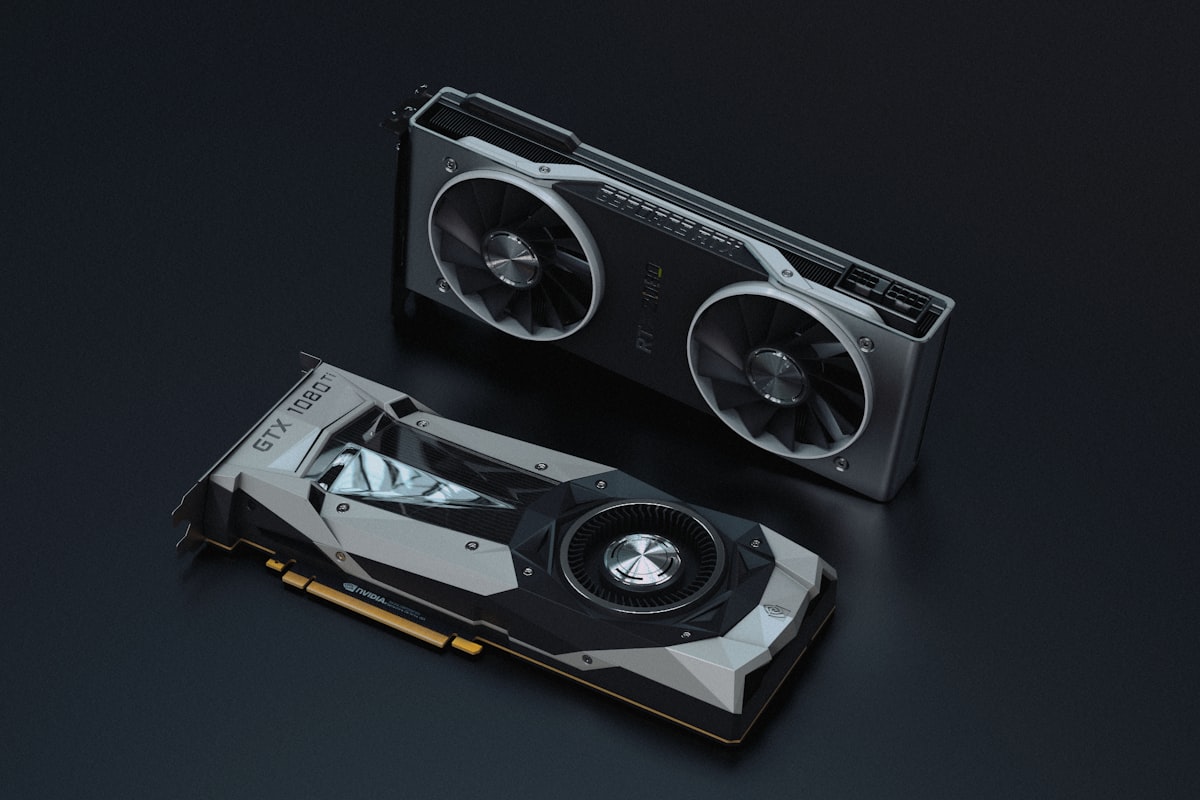
The simplest mental model is to think of NBIS as the "landlord of the AI era." It doesn't build AI models — that's OpenAI and Anthropic. It doesn't manufacture GPUs — that's Nvidia. NBIS sits in the middle: it builds data centers, purchases Nvidia's top-tier GPUs (H100, H200, Blackwell GB300), and rents that compute to AI companies that need to train and run large models.
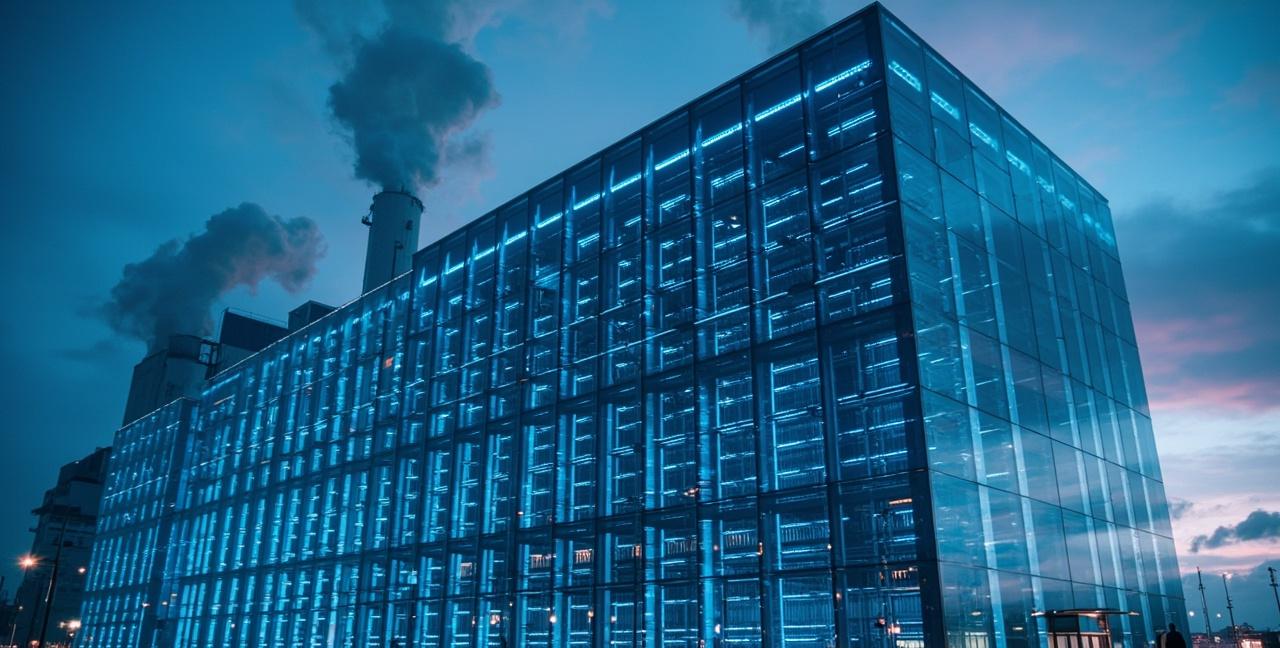
If you imagine the AI industry as a commercial real-estate market, Nvidia is the building-materials supplier, AI startups are the tenants, and Nebius — alongside CoreWeave and SpaceX's compute arm — is the developer that builds the office tower, installs the cooling, hooks up the network, and leases out the floors.
Why the Sudden Surge? The August 2026 Earnings Catalyst
The trigger was the Q2 2026 earnings released on August 12. Three numbers tell the story:
First, quarterly revenue came in at roughly $580 million, up 454% year-over-year — roughly 5x growth. That pace puts NBIS in the top tier of the AI compute space.
Second, ARR (annualized recurring revenue) grew 598% year-over-year. ARR annualizes the value of long-term contracts already signed, essentially measuring how much revenue the company is locked into over the next year — one of the cleanest health metrics for any cloud business.
Third, 2026 customer prepayments are projected to exceed $9 billion. Customer prepayments mean clients pay cash before they even use the compute — which is exactly what compute companies dream of, because that money can be deployed directly into building new data centers and buying more GPUs, without taking on debt.
The market's reaction was explosive: shares jumped 34% in a single session on massive volume, because many institutions had shorted the stock alongside Burry. Once the numbers came in strong, those short positions were forced to cover, triggering a classic short squeeze that pushed the stock even higher. NBIS hit a 52-week high of $299 and has since been oscillating in the $240–$260 range.
What Does NBIS Actually Do? Three Business Lines
NBIS is not a pure GPU landlord. It has two complementary side businesses that round out the story.
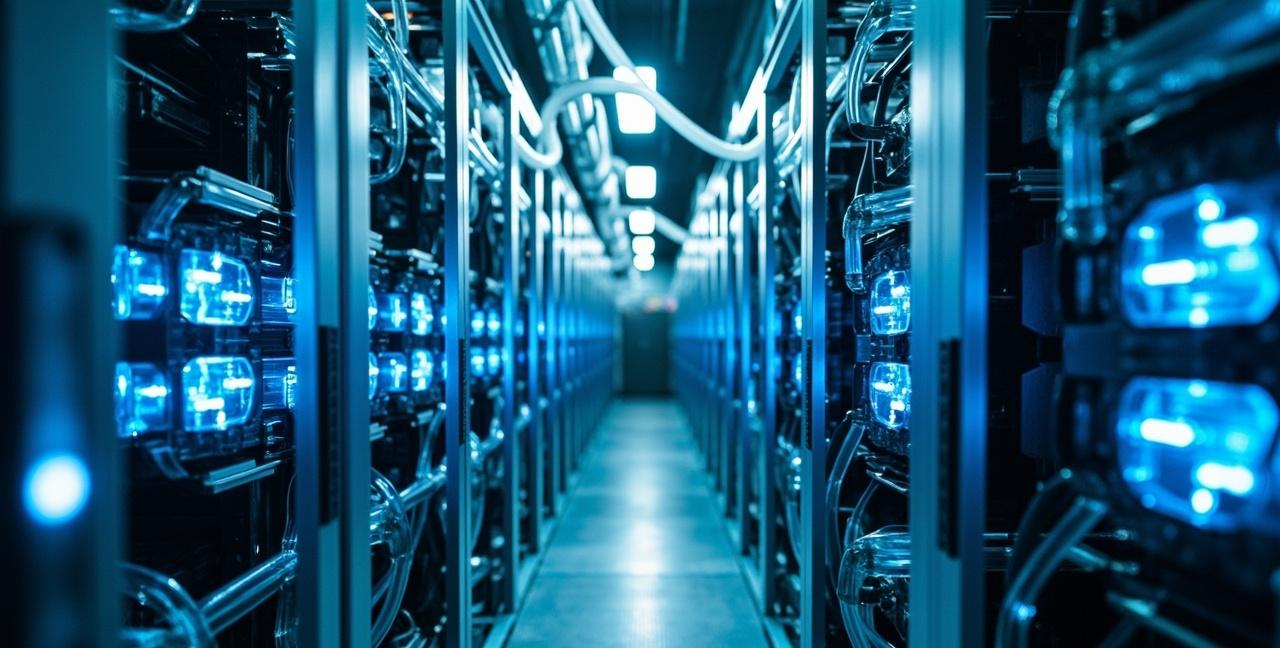
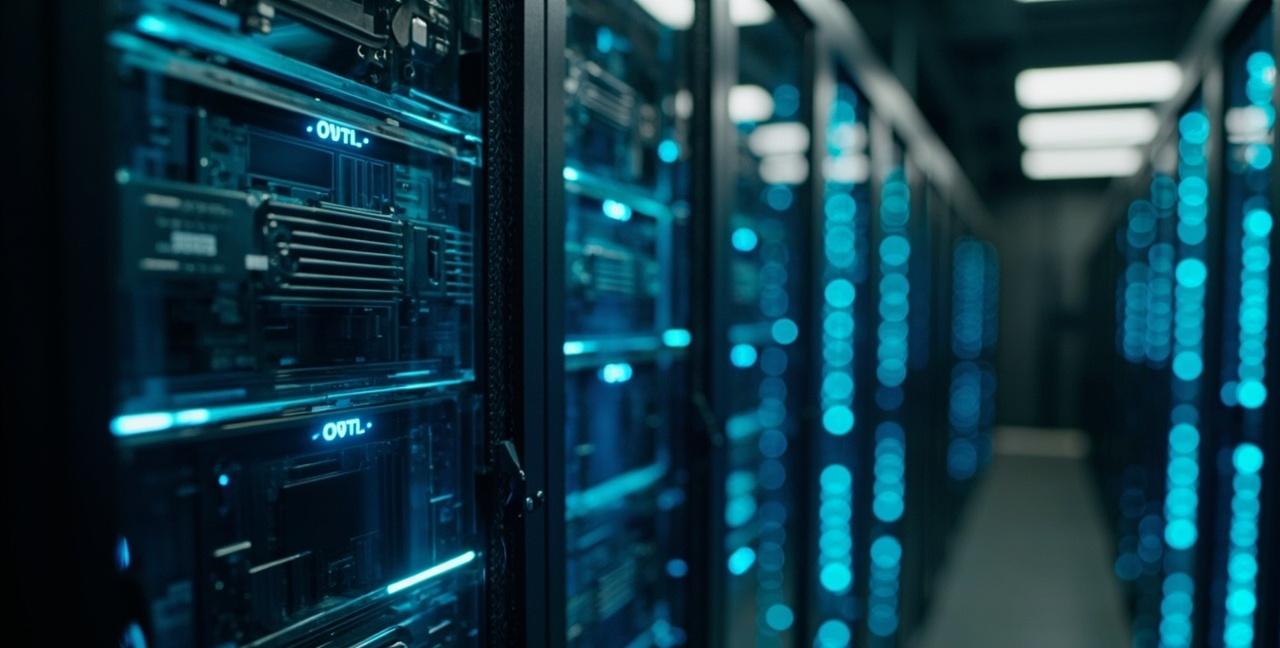
The main business is AI compute rental. The company operates self-built data centers in Finland, Iceland, and Vineland, New Jersey, and rents GPUs to customers ranging from AI training startups and enterprise AI deployments to video-generation and autonomous-driving training teams. The hardware spans everything from Nvidia H100s to the latest GB300 chips.
The second line is Toloka, a data-labeling subsidiary that helps AI companies annotate training data — drawing bounding boxes on images, classifying text, and so on. Think of it as the "tutoring center" that helps AI learn. Toloka cross-sells naturally with the compute business: customers renting GPUs often need data labeling too.
The third line is ClickHouse, an open-source database system that has built a passionate developer community. Many large enterprises use ClickHouse for real-time analytics. The commercial version is a paid-license product and represents NBIS's hidden asset.
Reading the Numbers: Genuine Strength or Hype?
To interpret NBIS's results, you need to look at both sides.
The bullish case: new-contract pricing has gone vertical. At the start of the year, GPU compute was renting for around $12 million per megawatt; by Q2 it had climbed to $20 million; in Q3, spot prices exceeded $40 million — a 3x move in a few months. The reason is simple: AI model-training demand has exploded, top-tier GPU supply is tight, and the market has flipped into a seller's market. NBIS has four billion-dollar-plus anchor clients, and 50–60% of its data-center capex is funded by customer prepayments, so its own cash-flow pressure is much lighter. Capacity for 2027 is essentially already pre-sold.
The bearish case: actual active compute is only about 0.3 GW (gigawatts). Compare that to CoreWeave's 1.5 GW and SpaceX's 1.6 GW — NBIS is the smallest of the three. The company's publicly stated 2026 year-end target is 0.8–1 GW of operational capacity, but going from "powered up" to "earning revenue" still requires customer onboarding, networking, and testing — a multi-month process. So the real revenue ramp doesn't arrive in earnest until H1 2027. Today's valuation is therefore being priced off optimistic 2027 expectations, not 2026 reality.
Risks and Concerns
First, disclosure transparency is poor. NBIS does not publish standard investor presentations — only a one-page PDF. Key metrics like quarterly active compute are buried or omitted, which makes independent verification hard for retail investors.
Second, capacity rollout is slow. The company has 5 GW of power planning in place, but that number is very far from "earning compute." Once a site is powered up, GPUs still need to be installed, networks configured, and customers onboarded — each step is a potential delay.
Third, regulatory and community headwinds. The Vineland, New Jersey expansion has been delayed by community complaints and public hearings. AI data centers are power-hungry and noisy, and similar pushback is likely elsewhere in Europe and the US.
Fourth, valuation is stretched. The current stock price implies a P/S ratio of roughly 6.5x on 2027 expected revenue — higher than most data-center peers, lower than software-as-a-service names. But remember, that 2027 number is an optimistic scenario.
Fifth, dilution risk. With the stock elevated and demand hot, the company has every incentive to issue new shares and raise capital, which dilutes existing shareholders.
Valuation and Tactical Lens
One well-known commentator framed it like this: a reasonable range is $200–$250 (multiple compression), the optimistic case is $380–$410 (assuming 1 GW comes online with a 1.8-year payback), and the bearish scenario is breaking below $216 and testing the $200 support level.
A stock like NBIS is, at its core, a "concept-plus-options" name — high volatility, news-driven, capable of single-day 30%+ moves in either direction. It suits investors with high risk tolerance and strict position sizing. If you're not used to the rhythm of the name, the steadier approach is to scale in around support levels rather than go all-in at once, and reserve dry powder for adding on pullbacks.
Bottom Line
The NBIS story boils down to: AI compute is supply-constrained, customer prepayments prove the demand is real, and the pace of capacity expansion directly determines market share over the next few years. Among the "big three" AI compute landlords — SpaceX, CoreWeave, and Nebius — SpaceX has the fastest expansion and strongest clients, CoreWeave is the most stable and transparent, and NBIS is the most dramatic and the highest-execution-risk of the three. The current valuation already bakes in strong confidence that 2027 capacity lands on time; if execution slips, the drawdown will be painful. The long-term tailwind for the AI compute rental sector is unmistakable — but the real skill is picking which landlord will execute the best within that tailwind.
⚠️ Disclaimer: This article is for educational purposes only and does not constitute investment advice. Investing involves risk.
🎯 Quick Quiz
Finished reading? Test what you remember
Question 1/5
Where does NBIS (Nebius) sit in the AI compute value chain?
✗ Incorrect
Your answer:—
Correct answer:C. It builds data centers, purchases top-tier GPUs, and rents that compute to AI companies.
💡 The article explicitly states that NBIS 'doesn't build AI models — that's OpenAI and Anthropic. It doesn't manufacture GPUs — that's Nvidia. NBIS sits in the middle: it builds data centers, purchases Nvidia's top-tier GPUs... and rents that compute to AI companies.'