
MSFT (Microsoft) Investment Analysis: The Next Chapter of the AI Empire — Is $3 Trillion Worth It?
Microsoft's FY2026 Q3 cloud revenue reached $54.5 billion (+29%), Copilot paid seats surpassed 20 million, and Azure continues to lead in growth. However, a $400 billion AI infrastructure investment combined with antitrust scrutiny has intensified the bull-bear debate. This article provides a comprehensive breakdown of Microsoft's business model, financial data, and valuation logic.
Microsoft: The World's Most "Moated" Tech Company?
Microsoft (NASDAQ: MSFT) holds a uniquely strong position in 2026 — it is simultaneously the world's largest enterprise software company, the #2 cloud computing provider, and the biggest infrastructure investor of the AI era. With a market cap of roughly $3 trillion, it trails only Apple and Nvidia.
But unlike other tech giants, Microsoft's revenue structure is unusually stable — its core businesses (Office, Windows, Azure) are all subscription-based or long-term contracts, making monthly cash flows highly predictable. This makes Microsoft Wall Street's favorite "tech bond."
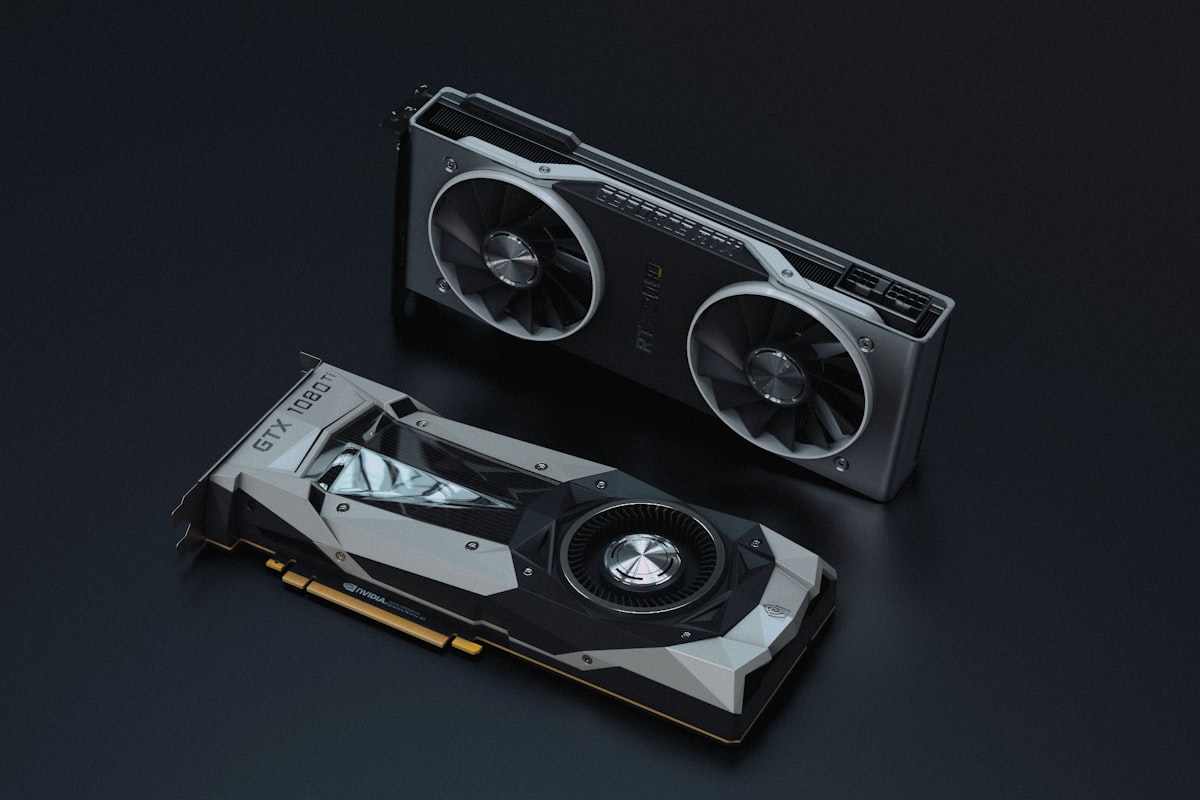
*An Azure data center — Microsoft pours hundreds of billions of dollars into these every year, building the "compute power grid" of the AI era.*
1. Business Model Breakdown
Three Core Segments
| Segment | Flagship Products | FY2026 Revenue Share | Moat |
|---|---|---|---|
| Intelligent Cloud | Azure, SQL Server, GitHub | ~40-42% | Extremely high enterprise switching costs |
| Productivity & Business Processes | M365 (Office), Copilot, LinkedIn, Dynamics | ~30-32% | 1.2 billion Office users + enterprise necessity |
| More Personal Computing | Windows OEM, Xbox, Surface, Search Ads | ~26-28% | Windows monopoly + gaming ecosystem |
1. Azure — The Growth Engine
Azure is Microsoft's fastest-growing and most capital-intensive segment:
- FY2026 Q3 Microsoft Cloud Revenue: $54.5 billion (YoY +29%)
- Azure Growth: Sustained high double-digit growth, continuing to take share from AWS
- Commercial Remaining Performance Obligations (RPO): $627 billion — contracted but not yet recognized revenue, roughly equivalent to a full year of total revenue
The Core Logic of Azure: Once enterprises move to the cloud, it's very hard to move back. Migration costs, system integration, staff training — each factor locks enterprises into Azure. Microsoft's hybrid cloud strategy (on-prem + cloud) lets traditional enterprises migrate incrementally, lowering resistance.
2. Office / Windows — The Cash Flow Bedrock
| Metric | Value |
|---|---|
| M365 Commercial Paid Users | 450 million |
| M365 Copilot Paid Seats | 20 million (Q3 FY2026) |
| Windows Global PC Market Share | ~72% |
| LinkedIn Members | 1 billion+ |
Office's subscription model gives Microsoft extremely stable recurring revenue. 450 million commercial users paying $20-36 per month each — that's Microsoft's "money-printing machine."
3. AI Business — Copilot + OpenAI Partnership
This is the key growth layer supporting a $3 trillion valuation:
Copilot Full-Stack Penetration:
- M365 Copilot: 20 million paid seats (Q2: 15M → Q3: 20M, +5M in 3 months)
- GitHub Copilot: Over 20 million developers using it
- Copilot in Windows: Built into Windows 11
- Copilot in Dynamics/Power Platform: Enterprise workflow automation
Deep OpenAI Alignment:
- Microsoft holds 49% of OpenAI (invested over $13 billion)
- OpenAI uses Azure as its exclusive cloud platform
- Microsoft takes a 75% revenue share from OpenAI (until its investment is recouped)
Key Point: Every API call OpenAI makes runs on Azure. This means the more successful OpenAI becomes, the higher Azure's revenue climbs. Microsoft doesn't need to build the strongest AI itself — it just needs to ensure the strongest AI runs on its own cloud.
Subscription-Driven Long-Term Cash Flow Model
Microsoft's revenue structure has an underrated feature — extraordinarily high predictability:
- Azure: 3-5 year enterprise contracts, $627B RPO
- M365: Monthly/annual subscriptions, churn rate < 5%
- LinkedIn: Subscription + advertising
- Xbox Game Pass: Subscription-based
Over 85% of Microsoft's revenue is "recurring." This makes its cash flow look more like a utility than a traditional tech company.
2. Latest Fundamentals
FY2026 Financial Highlights (Q3 = Jan-Mar 2026)
| Metric | FY2026 Q3 | YoY Change |
|---|---|---|
| Total Revenue | $78.9 billion | +18% |
| Microsoft Cloud Revenue | $54.5 billion | +29% |
| Net Income | ~$27 billion (est.) | High growth |
| Gross Margin | ~68-70% | Stable high level |
| Free Cash Flow | Strong (covers AI investment + buybacks + dividends) | — |
| RPO (Remaining Performance Obligations) | $627 billion | +99% 🔥 |
Valuation Level

*The Microsoft valuation debate — is P/E 24x a fair premium for a "tech bond," or an AI-driven bubble?*
| Valuation Metric | Value | Interpretation |
|---|---|---|
| Market Cap | ~$3 trillion | Global Top 3 |
| P/E (TTM) | ~24x | Down from 30x, near historical lows |
| Forward P/E | ~22.9x | Only seen 3 times since 2017 |
| P/S (TTM) | ~11x | Low among tech giants |
| Dividend Yield | ~0.7% | Not high, but steadily growing |
| Buybacks | $4-6 billion per quarter | Continuously shrinking share count |
Azure Cloud Growth vs Competitors
| Cloud Provider | Market Share | Latest Growth | Trend |
|---|---|---|---|
| AWS | ~31% | +17% | Slowing |
| Azure | ~25% | +29% | Accelerating 🔥 |
| Google Cloud | ~11% | +28% | Stable |
Azure is growing faster than AWS, and the gap continues to narrow.
AI Infrastructure Investment
- 2025-2030 AI Investment Plan: Over $400 billion
- Primarily for: GPU procurement, data center construction, power supply
- Goal: Ensure Azure is the preferred platform of the AI era
3. Bull vs Bear Case
🟢 Bull Catalysts
1. Global Enterprise Cloud Migration — Far From Peaked
Global IT spending is roughly $5 trillion per year, of which cloud computing accounts for only ~15-20%. That means 80-85% of enterprise IT is still on-prem. Every percentage point of migration = tens of billions of dollars in new cloud revenue. As the #2 cloud provider, Azure is one of the biggest beneficiaries of this trend.
2. Copilot Full-Stack Penetration
Copilot paid seats grew from "near zero" at the start of 2025 to 20 million by Q3 2026. If it eventually reaches 20% of M365 commercial users (90 million seats) at $30/month per seat, that's $32.4 billion per year in pure incremental revenue.
3. Deep OpenAI Alignment = Exclusive AI Compute Demand
OpenAI is currently the world's largest AI API consumer. All of its inference and training runs on Azure. With the launch of GPT-5/GPT-6 and the explosion in API call volumes, Azure's compute revenue will continue to climb.
4. Stable, High Free Cash Flow
Even with massive AI investment, Microsoft still generates strong free cash flow — enough to simultaneously support:
- $400 billion in AI infrastructure investment
- $4-6 billion per quarter in stock buybacks
- Continuously rising dividends
- Acquisitions (Activision $69B closed; other smaller deals)
5. Rigid Enterprise Software Demand
Office + Windows + Azure = the infrastructure of enterprise operations. Even in a recession, enterprises won't stop using Office or shut down Azure servers. This gives Microsoft strong defensiveness during economic downturns.
🔴 Core Risks
1. Valuation Has Been High for a Long Time
Although P/E has dropped from 30x to 24x, Microsoft still trades at a premium to the S&P 500 average of ~21x. If AI growth disappoints, valuation could compress further.
2. Intensifying Competition in the Cloud Industry
- AWS is still #1 and is accelerating its AI feature rollout
- Google Cloud is growing at a similar rate to Azure, and Google has its own TPU + Gemini
- Oracle Cloud has advantages in the enterprise database space
- Price wars among the three major clouds + Oracle could compress margins
3. Massive AI R&D Investment Drags Short-Term Profits
$400 billion in AI infrastructure investment means:
- Heavy capex → depreciation pressure
- High GPU procurement costs (Nvidia H100 $30-40K per unit)
- Rising power supply and cooling costs
- AI-related revenue may not cover investment in the short term
4. Weak PC Market Demand
Windows OEM revenue depends on PC shipment volumes. While AI PCs are driving a refresh cycle, the global PC market is still sluggish post-pandemic and the recovery pace remains uncertain.
5. Global Enterprise IT Budget Cuts
If the macroeconomy deteriorates, enterprises may cut IT budgets — especially discretionary spending like Copilot. A 3.3% Copilot conversion rate shows that most enterprise users are still unwilling to pay extra for AI.
6. Regulatory Antitrust Investigations
- The U.S. FTC is investigating Microsoft's cloud business (allegations of tying/bundling)
- The EU is reviewing whether the Microsoft + OpenAI relationship constitutes a monopoly
- The UK CMA has already reviewed the Microsoft-Activision merger
- If Microsoft is forced to divest or restrict its OpenAI partnership, the impact would be significant
4. Comprehensive Investment Judgment
Short-Term Speculation (1-3 months): ➡️ Neutral
| Factor | Assessment |
|---|---|
| Valuation | Forward P/E 22.9x, near lows since 2017 — supportive |
| Catalysts | FY2026 Q4 earnings (July), Copilot adoption data, new OpenAI products |
| Risks | Macro environment, AI ROI skepticism, antitrust news |
| Technicals | Large-cap, relatively stable, not as volatile as small-caps |
Short-Term Approach: Microsoft is not an ideal vehicle for short-term speculation. Its volatility is far lower than Nvidia, SPCX, and similar names. If you want to short-term trade tech stocks, Microsoft may feel "boring."
Long-Term Value Allocation (1-5 years): ✅ Strongly Bullish
| Scenario | Probability | Price Target |
|---|---|---|
| Bull — Copilot penetration reaches 20%+, Azure market share surpasses AWS, OpenAI continues to lead | 35% | $550-650 |
| Base — Growth on plan, AI contribution gradually materializes | 45% | $450-520 |
| Bear — AI ROI underwhelms, competition intensifies, regulatory crackdown | 20% | $320-380 |
Long-Term Approach:
- Core Holding Style: Microsoft is the ideal "ballast" for a tech portfolio. Forward P/E of 22.9x is a rare low — suitable for staged position-building at current levels
- Conservative Style: Add on any 5%+ pullback, hold long-term, enjoy growth + buybacks + dividends
- Not Suitable For: Investors chasing short-term explosive growth, income investors dissatisfied with a 0.7% dividend yield
Key Metrics to Watch
| Metric | What to Track | Why It Matters |
|---|---|---|
| Azure Growth | Quarterly vs AWS / Google Cloud | Market share trend |
| Copilot Paid Seats | Quarterly growth + conversion rate | AI monetization progress |
| RPO (Remaining Performance Obligations) | Quarterly changes | Future revenue visibility |
| AI Capex as % of Revenue | Quarterly trend | Investment-output efficiency |
| OpenAI Relationship | New contracts, revenue share changes | Core AI strategy |
| Antitrust Regulation | FTC / EU / CMA updates | Tail risk |
Conclusion: The Safest AI Bet
Microsoft's investment thesis isn't as thrilling as Nvidia's or as imagination-rich as SpaceX's, but it has a quality no other tech company has — ultimate certainty.
- Azure's $627 billion RPO = the next year's revenue is essentially locked in
- Office's 450 million users = they won't disappear overnight
- OpenAI's exclusive compute agreement = every AI advance benefits Azure
- Free cash flow = ability to fight the war (AI investment) and pay shareholders (buybacks + dividends) at the same time
If you could only buy one tech stock to hold for 10 years, Microsoft might be the safest choice. Not because it will make you rich overnight, but because it will almost never wipe you out — and in the world of tech investing, that's the scarcest quality of all.
⚠️ Disclaimer: This article is for educational purposes only and does not constitute investment advice. Investing involves risk.
🎯 Quick Quiz
Finished reading? Test what you remember
Question 1/5
Which of Microsoft's three core business segments includes Azure and accounts for the largest share of FY2026 revenue?
✗ Incorrect
Your answer:—
Correct answer:C. Intelligent Cloud
💡 The article states Intelligent Cloud (Azure, SQL Server, GitHub) represents ~40-42% of FY2026 revenue, making it the largest of Microsoft's three segments.