AMD (Advanced Micro Devices) Investment Analysis: The Rise of the World's Second AI Full-Stack Hardware Supplier
Q1 2026 revenue reached $10.25 billion (+38%), with data center growth of +57%, driven by Meta's $60 billion / 6GW five-year megadeal and the ramp of MI450. EPYC is taking share from Intel, while ROCm's open-source push challenges CUDA. However, Nvidia's 80% dominance, elevated HBM costs, and a rich valuation have intensified the bull-bear divide.
: From "Nvidia Challenger" to AI Infrastructure Powerhouse
Advanced Micro Devices (NASDAQ: AMD), under the leadership of Lisa Su, has transformed from a CPU company on the brink of bankruptcy into the world's second semiconductor giant capable of delivering full-stack AI training + inference hardware.
Q1 2026 Data:
- Revenue $10.25 billion (+38% YoY)
- Data Center revenue $5.8 billion (+57%)
- Meta $60 billion / 6 GW five-year contract
- Stock surged, market cap approaching $876 billion
AMD's positioning is unique: it is the only semiconductor company that simultaneously owns CPU (EPYC) + GPU (Instinct) + FPGA (Xilinx) + AI PC (Ryzen). This full-stack capability makes it the only viable option for cloud giants seeking to reduce dependency on Nvidia.
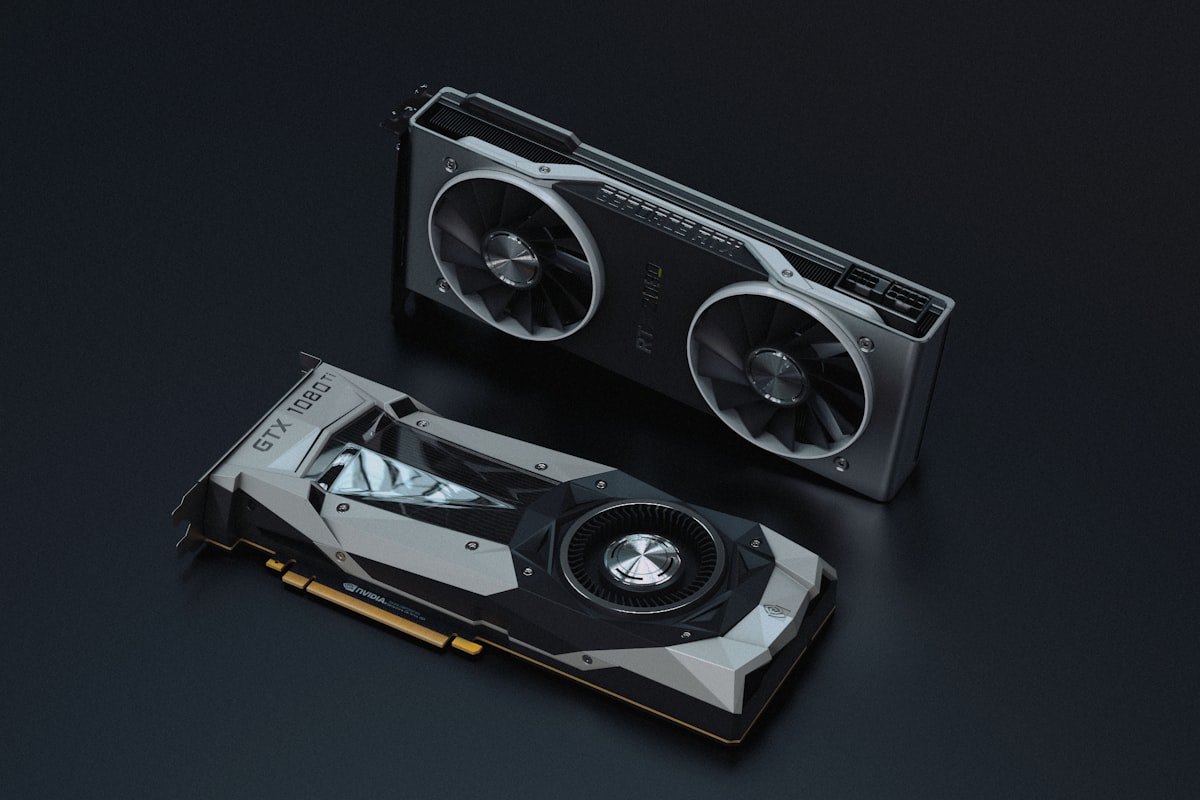
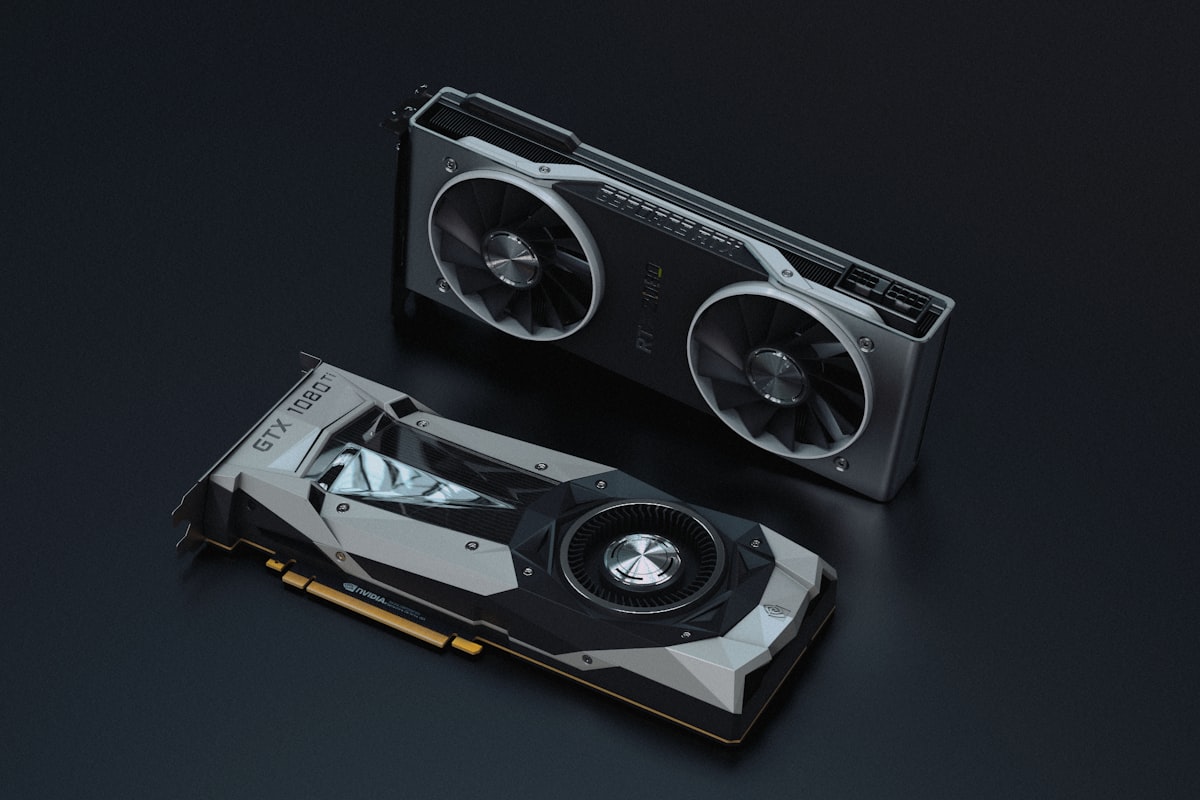
*AI Data Centers — AMD's EPYC server CPUs + Instinct AI accelerators are forming the "non-Nvidia" alternative for AI compute.*
1. Business Model Breakdown of the Three Core Segments
① Data Center AI — The Core Growth Engine 🔥
| Product | Positioning | Q1 2026 | Trend |
|---|---|---|---|
| EPYC Server CPUs | Server processors | Included in DC revenue | Taking Intel's share |
| Instinct MI Series | AI training/inference GPUs | Rapid ramp-up | MI450 next-gen |
| DPU/Pensando | Network processors | Growing | Data center complement |
| Total Data Center Revenue | — | $5.8 billion | +57% YoY 🔥 |
Next-Gen MI450 AI Accelerator:
- Large-scale shipments to Meta starting H2 2026
- Supports Meta's first 1 GW deployment
- Performance catching up to Nvidia H200/B200
ROCm Open-Source Software Ecosystem:
- AMD's open-source GPU computing platform (NVIDIA's CUDA counterpart)
- Supports mainstream AI frameworks like PyTorch and TensorFlow
- Cloud providers actively pushing ROCm ecosystem → reducing CUDA dependency
- Significantly improved maturity in 2026, but gaps remain
Meta's $60 Billion Mega-Deal:
- Five-year contract to supply up to 6 GW of Instinct GPUs
- One of the largest single contracts in semiconductor history
- Validates AMD's strategic value as the "second supplier"
AMD's AI moat is not technological leadership (Nvidia still leads) but being "the only alternative." Cloud giants don't want full dependency on Nvidia → AMD is the only scaled alternative.
② Client & Gaming — The Stable Foundation
| Product | Positioning | Q1 2026 | Growth |
|---|---|---|---|
| Ryzen AI PC | Desktop + Laptop CPU + NPU | ~$2.9 billion | +26% |
| Radeon Graphics | Gaming GPUs | Included in C&G | Volatile |
| Semi-Custom Console | PS5/Xbox chips | Included in C&G | H2 guidance down |
| Total C&G Revenue | — | $3.6 billion | +23% |
AI PC Trend:
- Ryzen AI series with built-in NPU → on-device AI inference
- AI PC upgrade cycle driving shipment volume
- Enterprise PC refresh cycle = rising Ryzen AI penetration
The semi-custom console business (PS5/Xbox) is at the end of its product cycle → H2 revenue guidance is down. But AI PC growth is enough to offset it.
③ Embedded (Xilinx FPGA) — The Anti-Cyclical Stabilizer
| Metric | Q1 2026 | Characteristic |
|---|---|---|
| Embedded Revenue | ~$900 million | Weak cyclicality |
| Core Product | FPGA adaptive chips | Industrial/Auto/Comm/Aerospace |
| Margin | High margin | Stable contribution |
| Strategic Value | Smooths overall cycle volatility | — |
Xilinx's Unique Value:
- FPGA chips can be reprogrammed after manufacturing → extremely flexible
- 5G base stations, automotive ADAS, industrial automation, space satellites = long-term stable demand
- Weak cyclicality → when PC/gaming goes down, embedded provides stable revenue
Overall Profitability Logic
Gaming + PC → Foundational cash flow (stable)
AI Data Center → High-speed growth engine (+57%)
FPGA Embedded → Anti-cyclical stabilizer (smooths volatility)
→ Full-stack CPU + GPU + FPGA = Technology moat
2. Latest Fundamental Data
Q1 2026 Financial Summary
| Metric | Q1 2026 | YoY |
|---|---|---|
| Total Revenue | $10.25 billion | +38% 🔥 |
| Data Center Revenue | $5.8 billion | +57% |
| Client & Gaming | $3.6 billion | +23% |
| Embedded | ~$900 million | Stable |
| Non-GAAP EPS | $1.37 | +43% |
| Free Cash Flow | Significantly improved | Outflow → Inflow turning point ✅ |
Q2 2026 Guidance
- Revenue guidance ~$11.2 billion (continued sequential growth)
- Data Center continues to lead
- Gaming will decline in H2 (end of console cycle)
Major Customer Contracts
| Customer | Contract | Scale |
|---|---|---|
| Meta | 5 years / 6 GW Instinct GPU | $60 billion 🔥🔥 |
| OpenAI | Reportedly in discussion | Multi-billion scale |
| Microsoft | Azure mixed procurement | Ongoing |
| Oracle | Some AI clusters | Growing |
Valuation Metrics (June 2026)
| Metric | AMD | Peers |
|---|---|---|
| Market Cap | ~$876 billion | Nvidia ~$4-5 trillion |
| P/E (TTM) | ~Elevated (AI premium) | Lower than NVDA |
| Analyst Target | $444 (consensus) | Some up to $537+ |
| AI Accelerator Share | ~5-7% | Nvidia ~80% |
3. Bull vs. Bear Investment Logic
🟢 Bull Catalysts
1. World's Second Full-Stack AI Hardware Provider
Nvidia is the only "pure GPU" option. AMD is the only "second choice" — and it has more than GPUs, also EPYC CPUs + FPGAs. Cloud giants need supplier diversification → AMD directly benefits.
2. Meta's $60 Billion Deal = Revenue Visibility
Five-year $60 billion / 6 GW contract = ~$12 billion annual Instinct revenue on average. And this is just Meta — OpenAI, Microsoft, Oracle are all procuring.
3. ROCm Open-Source Ecosystem Challenges CUDA
ROCm is rapidly maturing. Major customers like Meta and OpenAI are actively pushing ROCm ecosystem development because they want to break free from Nvidia's CUDA monopoly. Open-source strategy = leverage the entire developer community to catch up to CUDA.
4. EPYC Continues Taking Intel Server Share
EPYC's server CPU market share has climbed from single digits to ~30%. Enterprises + cloud providers continue adopting EPYC to replace Intel Xeon. Server CPU is an ~$80 billion/year market.
5. AI PC Penetration Lifts Ryzen Shipments
Ryzen AI series with built-in NPU has become one of the top choices for AI PCs. Global PC market ~250 million units/year → AI PC penetration rises = Ryzen ASP rises.
6. FPGA Embedded Offsets Consumer Electronics Cycle
When PC + gaming slows, embedded (industrial/auto/comm) stays stable. This makes AMD's overall revenue less volatile than pure consumer chip companies.
7. Lisa Su's Management Execution
Lisa Su led AMD from $2 bankruptcy territory to $876 billion market cap. 10 years of stable technology roadmap execution, extremely high market trust.
🔴 Core Risks
1. Nvidia CUDA Ecosystem Hard to Break in Short Term
Nvidia holds ~80% AI GPU share; CUDA ecosystem has been built over 15+ years. Although ROCm is improving fast, developer habits + toolchain maturity still lag. Nvidia remains the first choice for AI model training.
2. HBM Supply Constraints + High Costs
Instinct MI series requires HBM high-bandwidth memory. Limited HBM capacity (mostly pre-booked by Nvidia) and high costs → compresses AMD's gross margin.
3. Cloud Vendors' Self-Developed Chips Divert Orders
Google TPU, Amazon Trainium, Microsoft Maia → cloud giants are all building in-house. Still need AMD in the short term, but may reduce procurement long-term.
4. Semiconductor Strong Cyclicality
PC + gaming business has clear cyclicality. If the global economy slows → enterprises/consumers delay PC upgrades → Ryzen shipments decline.
5. Valuation Depends on AI Ramp-Up
If MI450 shipments fall short of expectations, or AI demand growth slows → AMD valuation will be significantly compressed.
6. U.S. Chip Export Restrictions
China market has huge demand for AMD's EPYC + Instinct, but export restrictions limit high-end chip sales to China.
7. Single-Customer Concentration
Although Meta's $60 billion contract is positive, it also means AMD's dependency on Meta increases. If Meta delays delivery → quarterly results will be volatile.
4. Comprehensive Investment Judgment
Short-Term Speculation (1-3 Months): ➡️ Neutral to Slightly Bullish
| Factor | Assessment |
|---|---|
| Catalysts | Q2 earnings, MI450 mass production news, new major customer contracts |
| Momentum | +18% post Q1 earnings, strong positive momentum |
| Valuation | Elevated but supported by AI growth |
| Risk | Major customer delivery volatility, HBM supply |
Long-Term Value Allocation (3-5 Years): ✅ Bullish
| Scenario | Probability | Core Assumption | Target Direction |
|---|---|---|---|
| Super Bull | 25% | AI GPU share rises to 15-20% + EPYC continues taking share + AI PC explodes | +60-100% |
| Growth | 40% | AI share steadily rises to 10% + MI450 ramp-up + Meta contract execution | +25-50% |
| Base | 25% | AI revenue grows steadily but share <10% + cycle volatility | +5-15% |
| Bear | 10% | Nvidia monopoly intensifies + cloud self-developed chips + HBM constrained | -25-40% |
Long-Term Approach:
- AI Thematic Investors: AMD is the "best AI hardware exposure outside of Nvidia." If you believe the AI market needs diversified suppliers, AMD will definitely get a big piece of the pie
- Balanced Value Investors: Three segments (DC + C&G + Embedded) provide growth + stability balance. Unlike NVDA's pure AI exposure, AMD has more "safety net"
- Not Suitable For: Investors pursuing the highest growth (buy NVDA directly), investors who don't believe AMD can break through the CUDA wall
Key Metrics to Monitor
| Metric | Watchpoint | Why It Matters |
|---|---|---|
| Data Center Revenue Growth | Quarterly vs. Nvidia | AI GPU competitiveness |
| Instinct MI450 Shipment Volume | H2 2026 mass production pace | Next-gen ramp-up |
| Meta Contract Execution | 1 GW deployment per quarter | $60 billion order fulfillment |
| ROCm Ecosystem Progress | Developer count + framework support | Software gap narrowing |
| EPYC Server Market Share | Quarterly Mercury Research | Intel share migration |
| HBM Supply + Cost | Supply chain news | Gross margin impact |
| AI PC Shipments + ASP | Quarterly data | Ryzen AI penetration |
| New Major Customer Contracts | Announcements | Revenue visibility |
Conclusion: The Enormous Value of Being the Only "Second Choice"
AMD's investment thesis can be distilled into:
When the whole world wants to break free from Nvidia's monopoly, AMD is the only large-scale alternative.
- Meta is willing to sign a $60 billion five-year contract → not because AMD is better than Nvidia, but because you can't put all AI eggs in one basket
- OpenAI procuring Instinct → not abandoning Nvidia, but diversifying risk
- Cloud providers pushing ROCm → not because ROCm is better than CUDA, but because they don't want to be locked in by CUDA
This is AMD's "second-choice premium" — it doesn't need to beat Nvidia, it just needs to exist. As long as the AI market is large enough, and Nvidia's share drops from 80% to 70-75%, AMD has enormous revenue growth runway.
"In the AI gold rush, Nvidia sells the best shovel. But some people always want to buy the second-best shovel — not because it's better, but because choice itself is value." AMD is that second-best shovel. And as ROCm matures + MI450 ramps + EPYC takes share, the gap between "second-best" and "best" is narrowing.
Lisa Su said: "We're not trying to beat Nvidia, we're trying to be the choice our customers need." This positioning may well be the cornerstone of AMD's trillion-dollar market cap.
⚠️ Disclaimer: This article is for educational purposes only and does not constitute investment advice. Investing involves risk.
🎯 Quick Quiz
Finished reading? Test what you remember
Question 1/5
What is AMD's unique positioning in the semiconductor industry according to the article?
✗ Incorrect
Your answer:—
Correct answer:B. The only company that simultaneously owns CPU (EPYC) + GPU (Instinct) + FPGA (Xilinx) + AI PC (Ryzen) full-stack capability
💡 The article explicitly states AMD is 'the only semiconductor company that simultaneously owns CPU (EPYC) + GPU (Instinct) + FPGA (Xilinx) + AI PC (Ryzen).' This full-stack capability is what differentiates AMD from competitors.