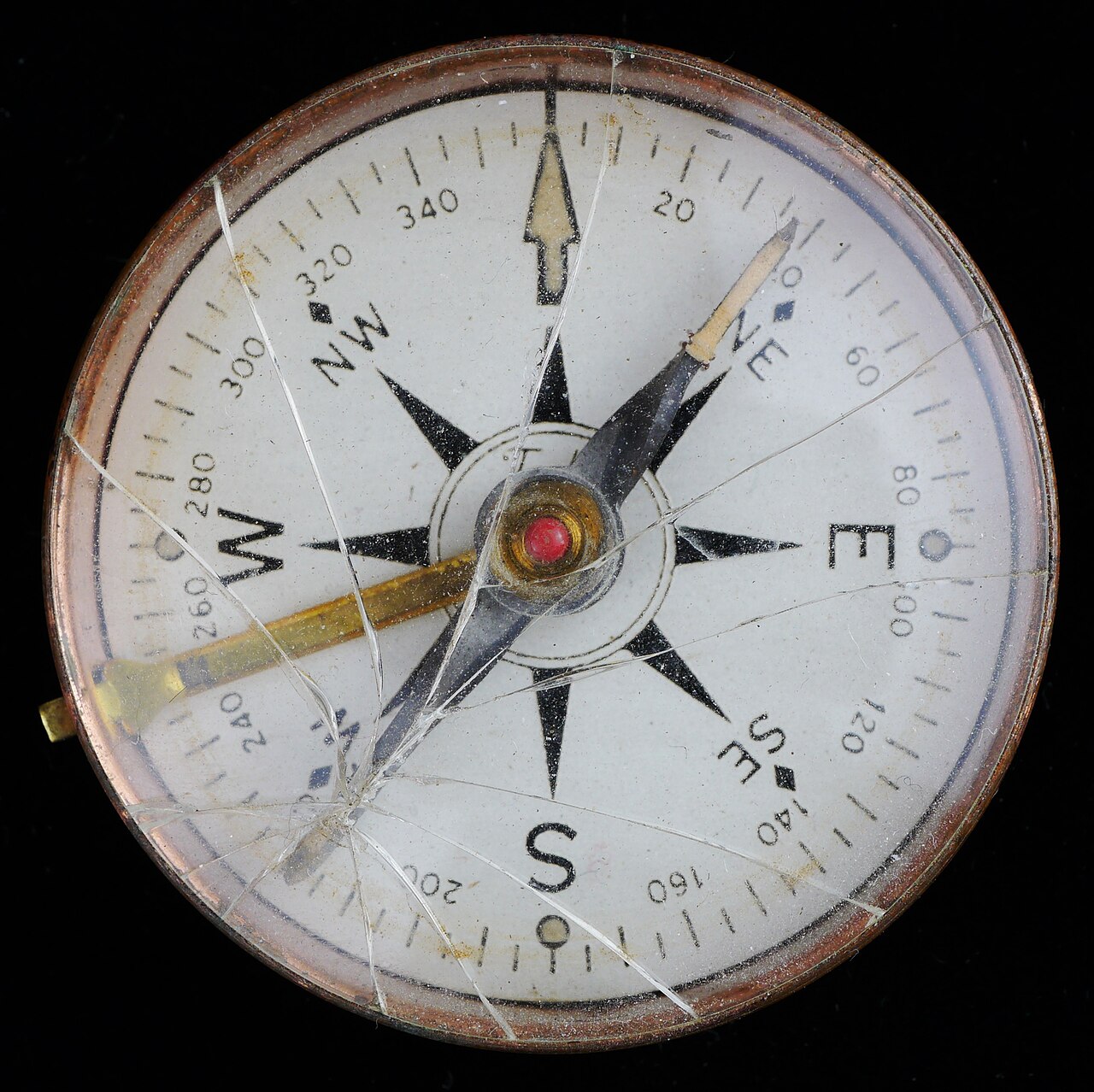
The Root Cause of Trading Failures: The Collapse and Reconstruction of Discipline
The root cause of all trading failures can be summed up in one word: discipline. This article summarizes a complete trading methodology, from five signs of consistent profitability to the ultimate trading philosophy—calm, humility, and continuous improvement.
The Root Cause of All Failures
Looking back at every failed trade—whether it's blown accounts, consecutive losses, or emotional trading—everything can ultimately be traced back to one root cause: the collapse of discipline.
"Failure is discipline abandoned."
It's not that your skills are lacking, not that the market is unfair to you, not that luck isn't on your side—it's that you failed to follow the rules you set for yourself.
Complete Methodology Recap
The complete methodology for intraday gold trading can be summarized in one slogan:
Break trend, Pullback, Holds, Enter.
These nine words represent a complete decision-making system:
- Break trend = HH/HL + MA alignment + multi-timeframe confirmation
- Pullback = Fibonacci + MA support + return to moving average
- Holds = Wick rejection + Engulfing + support confirmation
- Enter = SL + TP + TSL + RR ≥ 1:2
Five Signs You're Approaching Consistent Profitability
*A cigarette and a match—a metaphor for discipline. Smoking requires ritual, and so does trading.*
How do you know you're approaching consistent profitability? Here are five signs:
1. You No Longer Enter Trades Based on Emotion
Every entry you make has a clear technical reason—not because you "feel like it should go up soon" or "I don't want to miss this move."
2. Stop-Loss Execution Rate Reaches 95% or Higher
Occasionally forgetting to set a stop-loss is understandable, but if more than 5% of your trades don't have a stop-loss, your discipline is still insufficient.
3. Trading Journal Is Complete and Consistently Maintained
Your trading journal isn't maintained in fits and starts—it's recorded every day and reviewed every week.
4. You Can Accept Consecutive Losses Without Changing Strategy
When your strategy underperforms for a period, you analyze the reasons first rather than immediately switching strategies. If after analysis you confirm the strategy itself isn't the problem (just unfavorable market conditions), you persist.
5. Account Continues to Grow (Monthly Basis)
You don't make money every day, but every month's settlement is positive. An occasional losing month is normal, but if you have three consecutive losing months, a serious review is needed.
The Five Levels of Trading Failure
Level One: Not Knowing Why You Lose
This is the most dangerous level—you lose money but don't know why, so you can't improve.
Level Two: Knowing Why You Lose, But Unable to Correct It
You know what your problems are (like overtrading or not setting stop-losses), but you repeat the same mistakes every time. This is a discipline issue, not a knowledge issue.
Level Three: Can Correct It, But Relapse After Correction
You've successfully corrected your mistakes before, but under pressure you fall back into old habits. This is a psychological resilience issue.
Level Four: Maintains Discipline Long-Term, But Occasionally Slips
You follow discipline most of the time, but in extreme situations (like after consecutive losses) you still make mistakes. This is the stage approaching consistent profitability.
Level Five: Discipline Has Been Internalized
You don't need to consciously remind yourself to follow discipline, because it has become part of you. This is the highest realm for a trader.
Complete Methodology Summary
The complete methodology for intraday gold trading can be broken down into five layers:
- Chart Analysis: HH/HL + MA + BB + trendlines + candlestick patterns
- Entry Strategy: Four-step method (Break trend → Pullback → Holds → Enter)
- Money Management: Fixed risk ratio + RR ≥ 1:2 + TSL
- Psychological Management: Trading journal + emotional check + circuit breaker mechanism
- Continuous Improvement: Weekly review + quarterly review + strategy optimization
The Ultimate Trading Philosophy
"Calm, humble, continuously improving."
- Calm: Market volatility won't change because of your emotions; staying calm is what allows you to make the right decisions
- Humble: The market is always right, and you might always be wrong. Acknowledge mistakes and cut losses promptly
- Continuously improving: Every trade is a learning opportunity, regardless of profit or loss
"The most important thing is to find a strategy that fits your rhythm, stick with it persistently, make corrections repeatedly, and you will succeed!"
Chapter Summary
Trading is not a 100-meter sprint, but a marathon. Winning once isn't hard—the hard part is winning consistently. And the prerequisite for winning consistently is an executable discipline framework and strict execution day after day.
Remember: Discipline doesn't limit your freedom—it protects your capital.
⚠️ Disclaimer: This article is for educational purposes only and does not constitute investment advice. Investing involves risk.
🎯 Quick Quiz
Finished reading? Test what you remember
Question 1/5
According to the article, what is identified as the root cause of all trading failures?
✗ Incorrect
Your answer:—
Correct answer:D. The collapse of discipline
💡 The article opens with the thesis that every failed trade—blown accounts, consecutive losses, emotional trading—can ultimately be traced back to one root cause: the collapse of discipline. Skills, fairness, and luck are explicitly dismissed as the real cause.