AI Infrastructure Investment Map: Breaking Down the Opportunities and Risks of the Six-Layer Physical Infrastructure Stack
A bottom-up breakdown of the six-layer AI Infrastructure framework — spanning manufacturing equipment, chips, memory, networking optics, cloud infrastructure, and power — analyzing each layer's business logic, valuation positioning, and risk points to help you build a complete investment map of the AI infrastructure stack.
AI Infrastructure Investment Map: Breaking Down the Opportunities and Risks Across the Six-Layer Physical Stack
AI is no longer just about software. As large model parameters break through the trillion mark and training compute doubles every year, the physical infrastructure demand for AI has become one of the heaviest themes in global equity markets. From the EUV machines inside fabs, to the substations outside data centers, to the fiber optics and HBM memory supporting GPU clusters—every layer along this value chain has already produced winners and is hiding valuation traps.
This time, using the AI Infrastructure Six-Layer Framework compiled by Sergey CYW as a blueprint, we break down each layer's business logic, entry positions, and risk points from the bottom up, helping you build a clear AI infrastructure investment map.
Six-Layer Architecture Overview

The story behind the entire stack is actually very simple. AI compute demand explodes → hyperscalers (Microsoft, Google, Meta, Amazon) need to build data centers like crazy → they need more GPUs, more HBM memory, more networking equipment, more electricity. This chain is divided into six layers:
- Layer 1 (Manufacturing Equipment): TSMC, ASML, Applied Materials, Lam Research, KLA — the "machine tools" of wafer fabrication
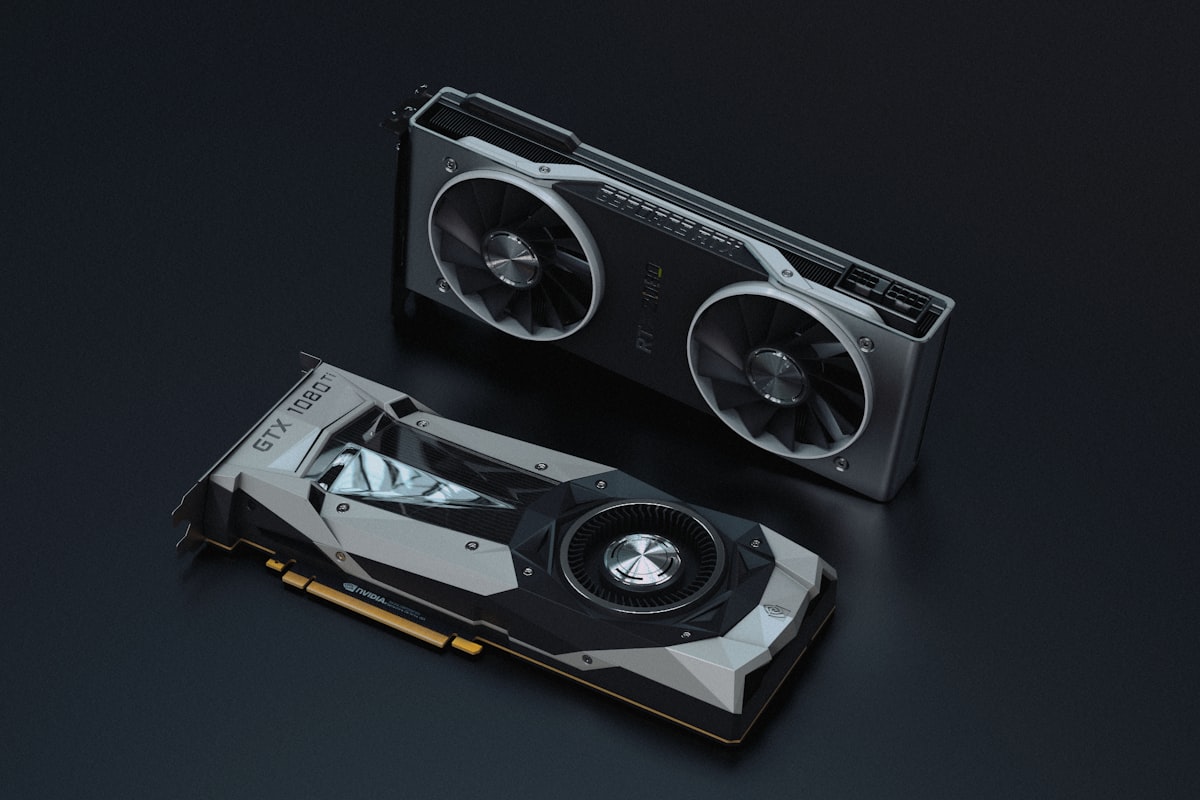
- Layer 2 (Chips): NVIDIA, AMD, Intel, Broadcom — the real AI brains
- Layer 3 (Memory): Micron, SK Hynix, SanDisk, Samsung, Kioxia, Seagate, Western Digital — HBM, DDR, and NAND needed for both training and inference
- Layer 4 (Network & Optics): Marvell, Astera Labs, Arista, Silicon Labs, Rambus, Coherent, Lumentum — the fiber and copper that move data between GPUs
- Layer 5 (Cloud Infrastructure): Nebius, IREN, CoreWeave, Applied Digital — NeoClouds dedicated to AI training
- Layer 6 (Energy): Bloom Energy, Constellation Energy, Vistra, GE Vernova, EOG, Quanta Services, Nextera — the electricity, gas, nuclear, and grid construction behind data centers
The hallmark of this stack is that the layers are deeply interlocked. If Layer 1 equipment can't land, Layer 2 can't make chips; if Layer 2 GPUs are insufficient, Layer 3 HBM has no use case; if Layer 4 bandwidth is inadequate, no number of GPUs can be clustered; if Layer 5 cloud capacity isn't built, hyperscalers won't have enough compute to sell; if Layer 6 power can't be connected, the entire chain grinds to a halt.
Business Models of Each Layer
Layer 1 — Manufacturing Equipment: Oligopolistic Shovel Sellers
This layer has the deepest moats in the entire stack. TSMC's 3nm and 2nm process yields are far ahead, while Samsung and Intel are still catching up; ASML's EUV machines are globally exclusive—there is no second supplier; while Applied Materials, Lam Research, and KLA are smaller in scale, each dominates a specific process step—deposition, etching, and metrology—with slow technology iteration and deep customer entrenchment. It's essentially a money-printing business.
The revenue rhythm follows wafer fab capex. When hyperscalers place orders to build GPU clusters, TSMC must expand capacity, and expanding capacity requires new machines, so the order books of ASML, AMAT, and LRCX surge 12–18 months in advance. The risk for this layer is cyclical—once AI capex slows, valuations get killed immediately.
Layer 2 — Chips: A Winner-Take-All Race
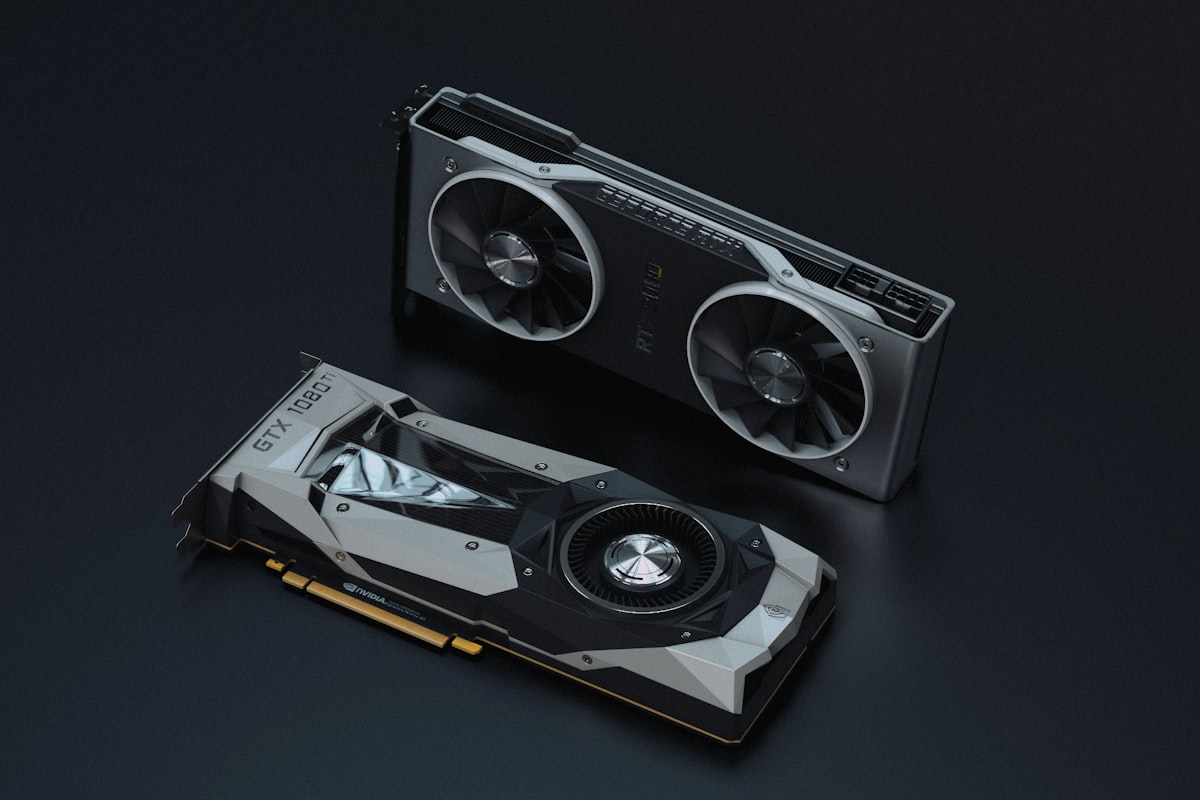
NVIDIA holds over 90% of the AI accelerator market, and the stickiness of the CUDA software ecosystem means customers can't escape even if they want to diversify. Broadcom and Marvell have captured hyperscaler share in the ASIC custom-chip space (Google TPU, Meta MTIA, AWS Trainium are all designed by them), with gross margins even thicker than NVIDIA's.
AMD's MI300 series is a rising contender, but market share is still in single digits—it needs a second hyperscaler customer to break through. Intel is the weakest in this layer—18A process yields and Foundry business are both unclear, making this a position to avoid.
The logic for this layer is simple: the way to beat the market is to go long on the oligopolists and short the chasers.
Layer 3 — Memory: The HBM Cycle is the Fiercest
AI training demand for HBM (High Bandwidth Memory) is structural. An H200 GPU requires six HBM3E chips; HBM's unit selling price is 5–7x that of regular DRAM, and you still have to wait in line to buy it. SK Hynix is the HBM3E leader—fastest NVIDIA certification, most stable supply—this is basically Layer 3's sweet spot.
Micron started a bit slower, but the DRAM cycle recovery is pulling it along in sync; SanDisk (spun off from Western Digital) focuses on the NAND cycle. As for Seagate and Western Digital, their HDD businesses have drifted away from the AI theme and can be skipped.
Layer 4 — Network & Optics: The Underestimated Upgrade Cycle

This layer is the most underestimated group in the entire stack. The reason is simple: the larger the GPU cluster, the number of optical interconnects, copper cables, and switches required grows exponentially, not linearly. The 800G to 1.6T upgrade cycle has just begun; this transition period typically lasts 18–24 months, during which equipment vendors enjoy the sweet spot of simultaneous price and volume increases.
Astera Labs offers the purest AI optics exposure; Arista Networks is the leader in hyperscaler data center networking; Marvell's custom silicon competes directly with Broadcom; Coherent and Lumentum are traditional optical communications vendors pivoting toward AI.
Layer 5 — Cloud Infrastructure: The Highest-Beta Pure AI Concept Stocks

CoreWeave, Nebius, IREN, and Applied Digital are all NeoClouds dedicated to AI training. They are not traditional hyperscalers; they don't compete for enterprise customers, but instead sell GPU compute directly to AI startups and research institutions. This layer's hallmark is ultra-high beta: beat expectations and double, miss and drop 50%—it only suits short-term trading or speculative positions.
Nebius is the European AI cloud spun off from Russian Yandex; IREN pivoted from Bitcoin mining; CoreWeave is an early NVIDIA-invested project; Applied Digital focuses on building AI hosting data centers.
Layer 6 — Energy: AI's Real Bottleneck

This layer is the lifeblood of the entire stack. The International Energy Agency forecasts that by 2030, global data center electricity demand will account for 8–12% of the entire US grid—this is the group with the strongest structural tailwind.
GE Vernova is the global leader in gas turbines, with backlog already booked through 2030; Constellation Energy and Vistra focus on nuclear and natural gas restarts; Quanta Services handles electrical infrastructure and substation construction; Nextera is America's largest renewable energy provider; Bloom Energy makes fuel cells (relatively niche); EOG is an oil & gas explorer (more indirect connection to the AI theme).
Bull-Bear Balance Analysis
Bullish Factors
First, the structural growth in AI demand has not peaked. The model parameter counts for OpenAI, Anthropic, Google Gemini, and Meta Llama are still growing 5–10x annually, and each generation of models has rigid demand for compute. Hyperscaler capex guidance only goes up, never down—Microsoft has already committed over $80B to AI infrastructure in FY2026, with Google, Amazon, and Meta all following suit with bigger commitments.
Second, Layers 1 and 6 have moats so deep there's no competition. It would take at least 15 years to cultivate another competitor for ASML's EUV machines; TSMC's 3nm yields have eluded Samsung and Intel for 3 years. GE Vernova's gas turbine backlog is booked through 2030, during which new entrants have no possibility of squeezing in.
Third, the US energy policy shift. The Trump administration has clearly loosened regulation on nuclear and natural gas, allowing data centers to use nuclear + gas hybrid power supply schemes. The policy tailwind for Layer 6 will only get stronger.
Fourth, the HBM cycle is still trending upward. HBM3E is still in short supply, HBM4 specs have not yet been finalized, and this uptrend has at least another 12–18 months to run.
Bearish Factors
First, valuations are already expensive. Layer 2's NVIDIA trades at a PE of 35+ and Forward PE of 28, pricing in perfect execution; Layer 5's CoreWeave and Nebius have no traditional PE to reference, with price-to-sales (PS) ratios already bid up to 30–50x. Once AI capex growth slows, these high-valuation names will see cyclical multiple compression.
Second, Layer 1 cyclical risk. Wafer equipment vendors' revenues follow the wafer fab capex cycle. Once the AI bubble bursts, TSMC, Intel, and Samsung capex will shrink in lockstep, and AMAT, LRCX, and KLAC orders will cool immediately.
Third, China export control uncertainty. ASML, TSMC, and AMAT face continuous pressure from the US government on exports to China. If controls escalate to the point where even mature process nodes can't be shipped, these companies' China revenue will take a heavy hit.
Fourth, the AI commercialization timeline is still unclear. OpenAI has not yet achieved profitability, and Anthropic is burning cash faster than revenue is growing. If AI commercialization moves slower than expected, hyperscalers will cut capex and the entire chain will immediately top out.
Fifth, Layer 4 competition is heating up. Broadcom is starting to encroach on optics, and traditional optical communications vendors Coherent and Lumentum are accelerating R&D—this layer's gross margins could be compressed.
Investment Judgment
Short-Term (3–6 Months)
Priority: hold Layer 1 + Layer 6 oligopolists. These two layers have deep moats, reasonable valuations, and strong policy tailwinds, offering the best defense in a macro volatile environment. Specific allocation: ASML, TSM, GE Vernova, Constellation Energy.
NVIDIA in Layer 2 can continue to be held, but adding to the position is not recommended—wait for a pullback to near the 50-day moving average before considering phased accumulation. Broadcom can be slightly overweighted due to its high-margin ASIC business.
The HBM chain in Layer 3 (SK Hynix, Micron) still has upside, but don't chase at current levels—wait for an 8–10% pullback before phased entry.
Astera Labs and Arista in Layer 4 are suitable for short-term trading, because the 800G → 1.6T upgrade cycle will produce phased speculation.
Layer 5 NeoCloud concept stocks should only be speculative positions (5–10% of the portfolio)—don't put core positions in this layer.
Medium- to Long-Term (1–3 Years)
Core allocation: Layers 1 and 6. These two layers have the hardest-to-disrupt business models, and the long-term trend of AI compute demand growth is not over yet. ASML's EUV machine monopoly can be sustained past 2030, GE Vernova's gas turbine backlog is already booked through 2030—these are sleep-well-at-night quality assets.
Satellite allocation: Layer 4. Wait for the full landing of the 1.6T upgrade cycle—this layer has strong growth explosion potential but high volatility, making it suitable for satellite positions.
Trim Layer 2's Intel. Regardless of any short-term rebound, this stock's fundamentals have not yet bottomed—just avoid it.
Observe Layer 5 NeoCloud. Wait until 2026 year-end results are released before making a fresh judgment. This layer's high valuation needs actual earnings growth to support—otherwise, it's a bubble.
Key Tracking Indicators
To judge the health of the entire stack, monitor the following data points:
First, hyperscaler capex quarterly run-rate. The capex guidance published each quarter by Microsoft, Google, Meta, and Amazon is the most direct leading indicator. If any hyperscaler starts trimming guidance, be on alert immediately.
Second, NVIDIA data center revenue YoY growth rate. This is the core driver of Layers 1–4—if it slows, the entire chain has topped.
Third, TSMC monthly revenue. The Taiwan-listed 2330 monthly revenue is the most real-time indicator of global AI demand.
Fourth, HBM pricing and supply lead times. HBM3E ASP and delivery times can forecast Layer 3 margin changes.
Fifth, power connection wait times. Whether data centers can be built ultimately depends on local grid interconnection wait times. The longer the wait times at PJM and ERCOT, the stronger Layer 6 demand.
Sixth, OpenAI and Anthropic revenue growth. The pace of AI commercialization directly impacts hyperscaler capex sustainability.
Conclusion
The AI infrastructure stack story is still unfolding, but position and valuation have already shifted. Layer 2's pure AI beta (NVIDIA) is already too expensive, Layer 5's NeoClouds are overheated, while Layer 1 manufacturing equipment, Layer 4 network optics, and Layer 6 energy still have reasonable entry points.
The AI theme is not about a single stock—it's about a chain. Selecting the segments with the deepest moats, most reasonable valuations, and strongest policy tailwinds from the bottom up is the way to beat the market over the long term.
⚠️ Disclaimer: This article is for educational purposes only and does not constitute investment advice. Investing involves risk.