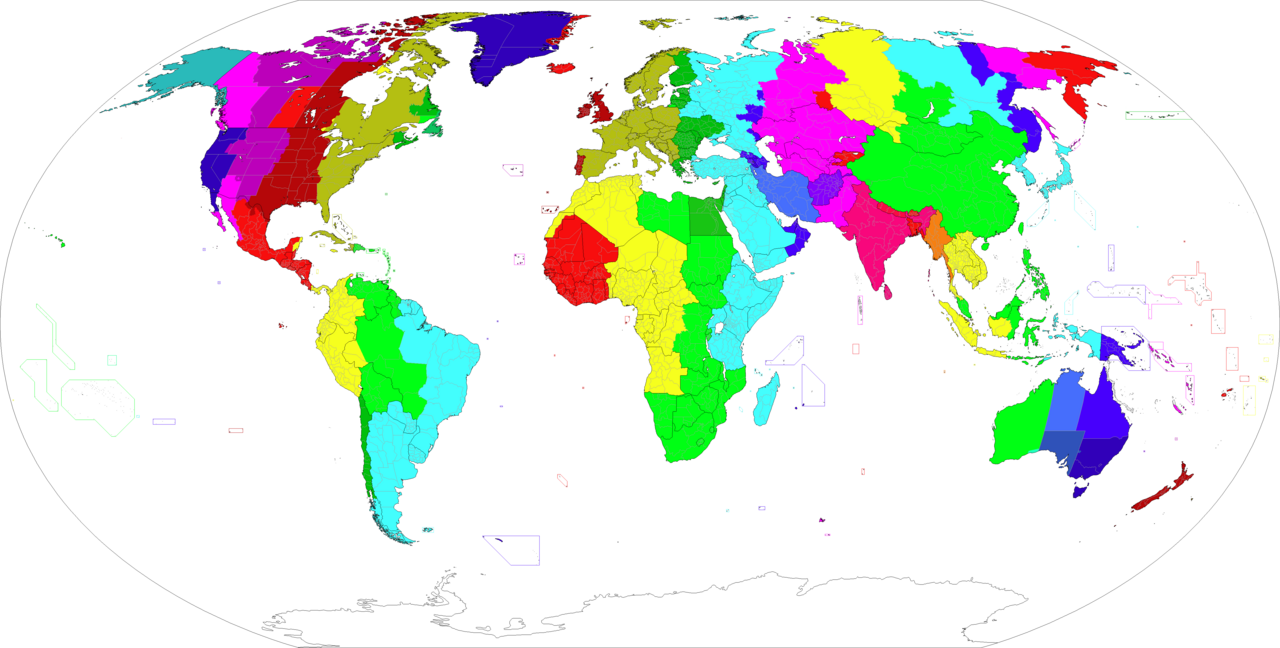
Gold Trading Session Complete Guide (GMT+8): London, New York, and Asia
Gold exhibits fundamentally different volatility characteristics across different trading sessions. This article provides a detailed breakdown of the key features of the three major trading sessions, the optimal strategies for each, and how intraday traders can plan their trading windows.
Why Is It Important to Understand Trading Sessions?
The gold market operates 24 hours a day, 5 days a week, but volatility characteristics, liquidity, and trading opportunities vary dramatically across different sessions. Trading at the wrong time is like trying to catch fish during low tide—no amount of skill will help.
The Three Major Trading Sessions (GMT+8 Time)
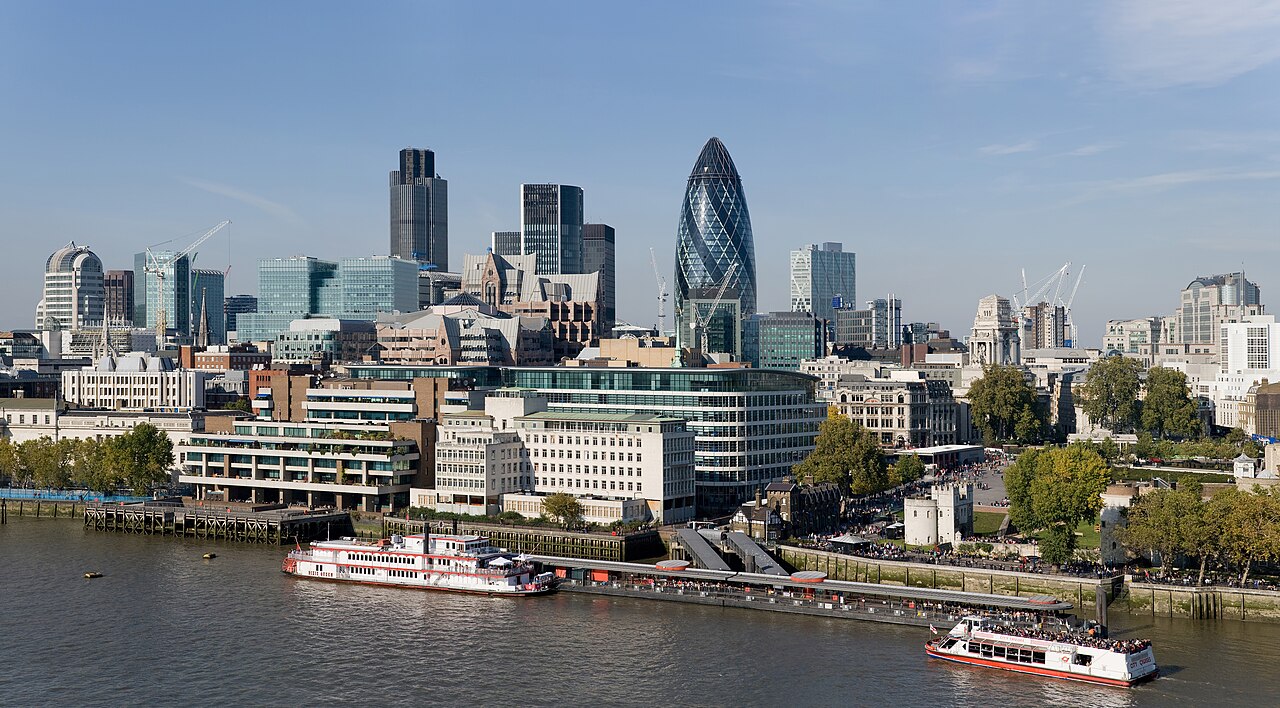
*The London landmark 30 St Mary Axe (commonly known as The Gherkin)—a visual symbol of the London session.*
| Session | Hong Kong Time | Characteristics |
|---|---|---|
| Asian Session | 06:00–15:00 | Low volatility, poor liquidity, frequent fake breakouts |
| London Session | 15:00–23:30 | Increased volatility, trends take shape, the "golden hours" for gold trading |
| New York Session | 21:30–04:00 | Largest volatility, major data releases, the best window for profits |
The London–New York overlap (21:30–23:30) is the two-hour window with the highest gold trading volume worldwide—most volatile, most opportunity-rich, but also the most dangerous.
Asian Session (06:00–15:00)
Characteristics: Volatility is typically only 5–15 USD, spreads are wider, and liquidity is insufficient.
Strategy: Active trading is not recommended. This session is best used for research, charting, setting alerts, and preparing trade plans.
"During the Asian session, spreads are wide and volatility is thin—don't force trades."
London Session (15:00–23:30)
Characteristics: After European markets open, volatility picks up noticeably and trends begin to form—this is the "warm-up session" for intraday gold trading.
Strategy:
- 15:00–16:00: Observe the opening direction
- 16:00–21:30: Look for pullback entry opportunities
- Watch for volatility around the London Fix (23:00 Hong Kong time)
New York Session (21:30–04:00)
Characteristics: After U.S. markets open, volatility reaches its peak; major economic data releases (Non-Farm Payrolls, CPI, FOMC) are all scheduled during this session.
Strategy:
- 21:30–23:30 (London–New York overlap) is the best trading window
- Avoid holding positions right before major data releases
- After 23:30 volatility gradually decreases—consider wrapping up for the day
"Around the U.S. market open, gold sees the biggest price swings—but also the biggest risks."
Time Management for Intraday Traders
Recommended trading windows:
- Research time: 09:00–14:00 (Asian session—review charts, draw levels, set alerts)
- Observation time: 15:00–16:00 (London open—watch for direction)
- Trading time: 16:00–23:30 (wait for pullback entries)
- Wrap-up time: After 23:30 (unless you have a specific position that needs managing)
Common Pitfalls
1. Chasing Breakouts During the Asian Session
Most breakouts during the Asian session are fake—wait for the London open to confirm direction.
2. Staring at the Screen All Day
Over-monitoring only leads to fatigue and emotional swings. Use alerts instead of watching the screen constantly.
3. Going Heavy Right Before Major Data Releases
All positions should be closed or significantly reduced 30 minutes before releases such as Non-Farm Payrolls and CPI.
Chapter Summary
Choosing the right session to trade is more important than choosing the right entry point. Seek opportunities during the most volatile sessions (London–New York overlap) and rest or do research during the lowest-volatility session (Asia)—this is the iron rule of time management for intraday gold traders.
⚠️ Disclaimer: This article is for educational purposes only and does not constitute investment advice. Investing involves risk.
🎯 Quick Quiz
Finished reading? Test what you remember
Question 1/5
According to the article, what makes the London–New York overlap (21:30–23:30 HKT) the most important trading window for gold?
✗ Incorrect
Your answer:—
Correct answer:A. It is the two-hour window with the highest gold trading volume worldwide, making it the most volatile and opportunity-rich
💡 The article states that the London–New York overlap is 'the two-hour window with the highest gold trading volume worldwide—most volatile, most opportunity-rich, but also the most dangerous.'