TSLA (Tesla) Investment Analysis: Four Growth Curves, One Valuation Universe
Tesla trades at a 317x P/E with Q1 automotive gross margin of 16.2% and energy storage revenue projected at $18.3B in 2026E. Robotaxi, Optimus, FSD, and Megapack are four growth curves supporting a trillion-dollar valuation, yet price wars, intensifying competition, and Musk's divided attention have pushed the bull-bear divide to extremes. This article comprehensively dissects all four growth curves and the underlying valuation logic.
Tesla: A Car Company? An AI Company? Or a Robotics Company?
Tesla (NASDAQ: TSLA) may be the hardest company to value on the planet. It is simultaneously:
- The world's largest electric vehicle manufacturer
- One of the world's largest battery energy storage suppliers
- An AI / autonomous driving software company
- A humanoid robotics R&D company
- A supercharger network operator
P/E 317x. This number either reflects extreme market optimism about the future, or a massive bubble.
The core question: of Tesla's four growth curves, how many will actually materialize?
I. Breaking Down the Four Growth Curves
Curve 1: Electric Vehicle Hardware Sales
| Metric | Q1 2026 | YoY | Trend |
|---|---|---|---|
| Deliveries | 358,023 vehicles | -12% | Slowing ⚠️ |
| Auto Revenue | ~$17.0B | -13% | Price war pressure |
| Auto Gross Margin (GAAP) | 16.2% | Improving ↑ | Recovering from lows |
| Inventory Increase | +50,363 vehicles | High | Demand pressure |
Core challenges:
- Global EV price war continues (BYD, Xiaomi, VW)
- Model 3/Y aging — refresh urgently needed
- Cybertruck production ramping but with low margins
- Market share in China being captured by domestic brands
Vertical-integration cost advantages:
- In-house FSD chip (HW3/HW4)
- In-house 4680 battery (Lathrop capacity ramping)
- Gigacasting reduces manufacturing cost
- Direct-sales model (no middleman markup)
The auto business is no longer a growth engine — it is a "cash cow + data collector." Every Tesla on the road is collecting training data for FSD.
Curve 2: FSD Full Self-Driving Subscription
| Metric | Status | Potential |
|---|---|---|
| FSD Subscribers | Growing rapidly | Global Tesla fleet >6M vehicles |
| FSD Subscription Price | $99/mo or $8,000 one-time | Software gross margin ~80% |
| FSD v13 | End-to-end neural network | Near human-driver level |
| Regulatory Approval | Gradually opening in US | Pending in EU/China |
FSD data moat:
- Cumulative mileage: billions of miles of real-world driving data
- Daily new data: tens of millions of miles
- Competitors (Waymo, Cruise) rely on simulation + small fleets
- Tesla's advantage is not the best algorithm, but the most data
FSD is the core of Tesla's valuation. If FSD achieves L5 full autonomy → every Tesla becomes a Robotaxi → software gross margin replaces hardware gross margin → the entire business model re-rates.
Curve 3: Energy Storage — Megapack / Powerwall
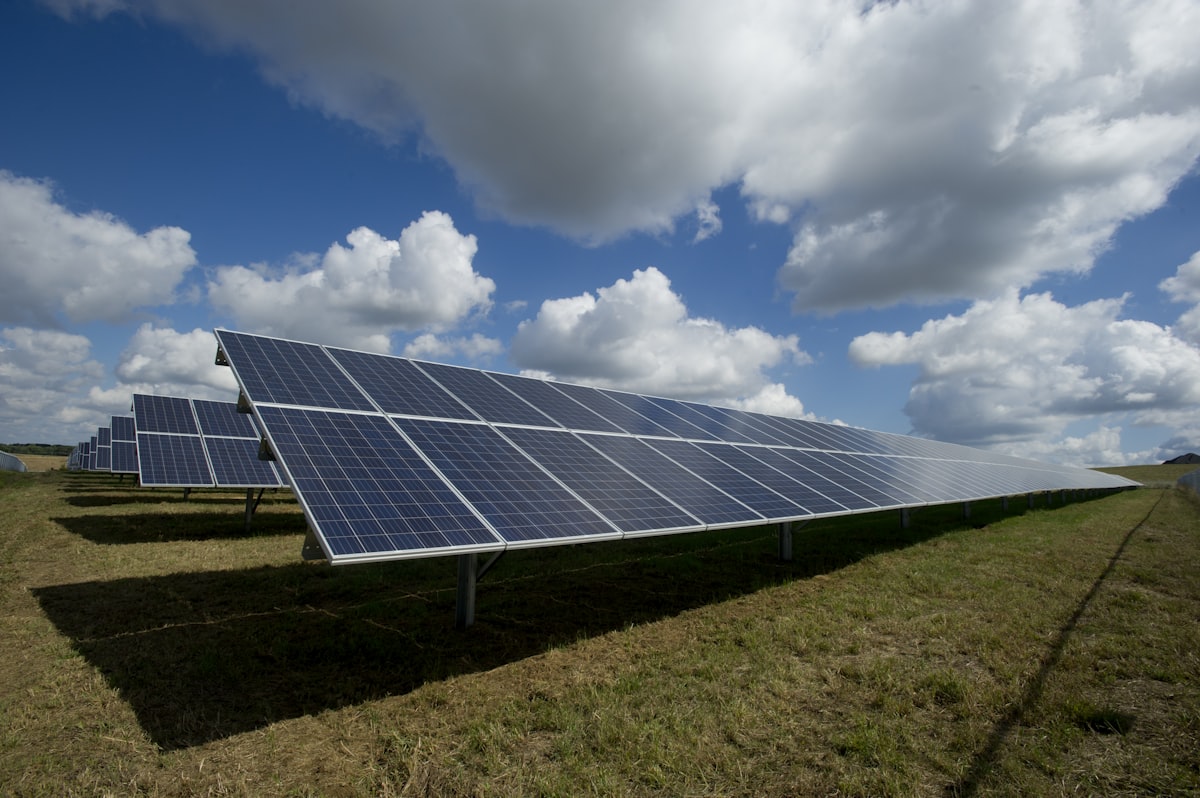
*Megapack energy storage — Tesla's fastest-growing, highest-margin business. AI data center power demand is exploding.*
| Metric | 2026E | Trend |
|---|---|---|
| Storage Revenue | $18.3B | +25% YoY 🔥 |
| Storage Gross Margin | ~25-30% | Far above auto |
| Deployments | Continuously hitting new highs | Lathrop plant at full capacity |
| Shanghai Storage Plant | Operational in 2025 | New capacity added |
Storage is Tesla's most under-appreciated business. AI data centers need massive power → grid storage demand explodes → Megapack orders are booked into 2027. And at 25-30% gross margin, way above the auto business's 16%. If storage revenue hits $18.3B, it is already a major energy company on its own.
Curve 4: Optimus Humanoid Robot + Cybercab Robotaxi
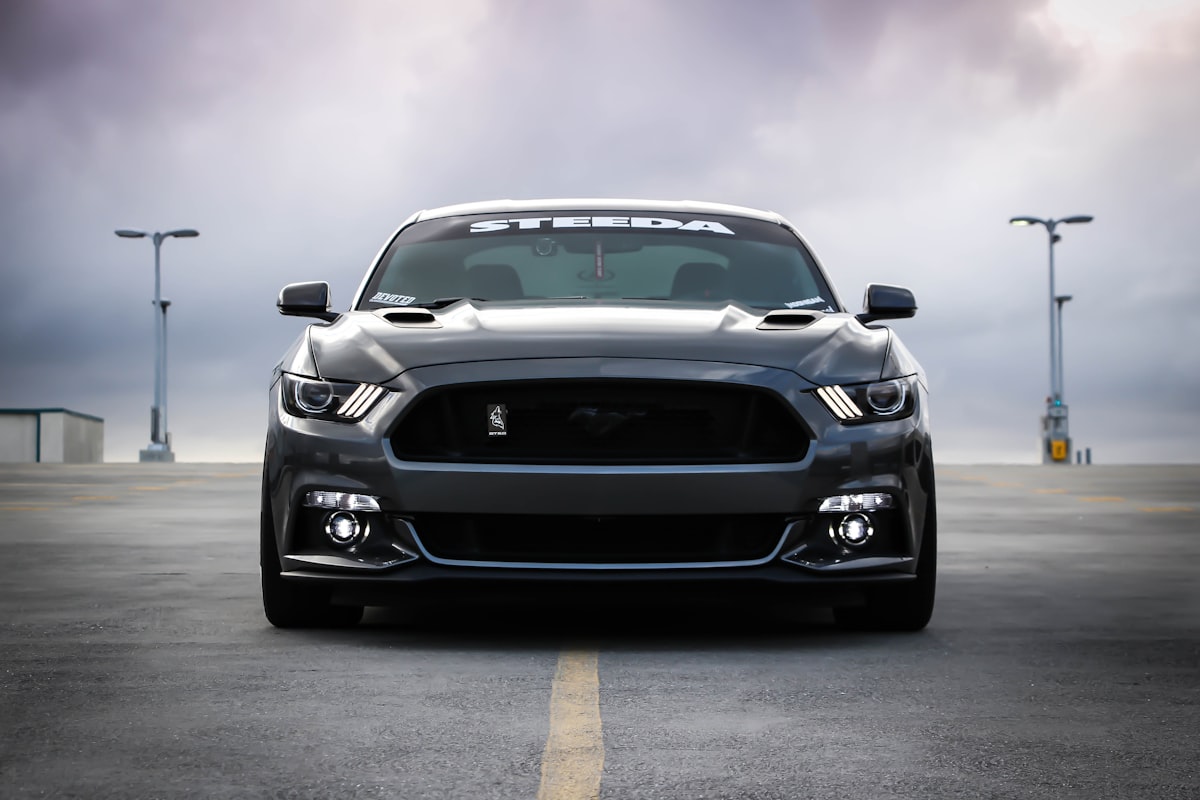
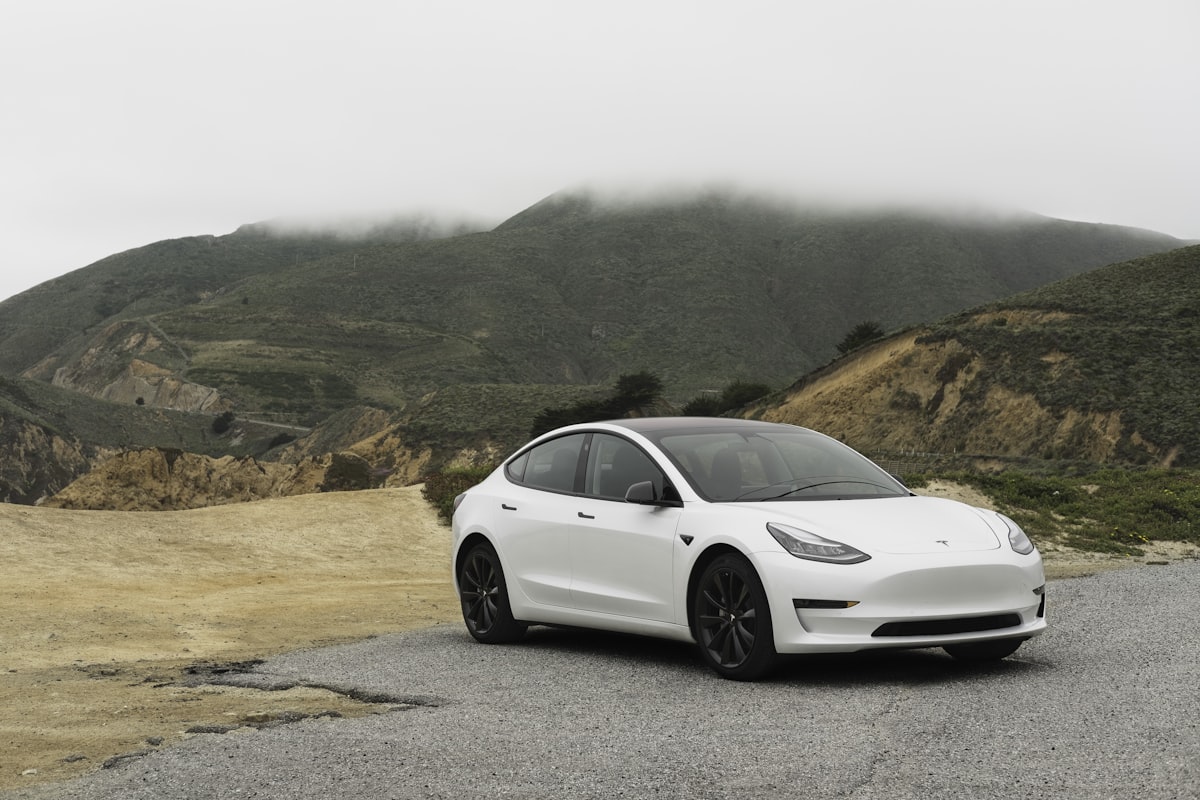
*Cybercab robotaxi — if FSD lands, Tesla shifts from "selling cars" to "selling transportation services."*
Optimus humanoid robot:
- Goal: replace repetitive factory labor → later expand to home services
- Entering internal pilot at Tesla factories in 2026
- Musk projects long-term demand at "billions of units"
- Still at an early prototype stage
Cybercab (Robotaxi):
- A vehicle purpose-built for unmanned ride-hailing (no steering wheel, no pedals)
- Paid Robotaxi pilot launch in Austin, June 2026
- If successful → disrupts the global mobility market ($300B+/year)
Optimus + Robotaxi = Tesla's "long-dated option." These two curves may take 5-10 years to mature, but if successful, the return is exponential.
Supporting Businesses
| Business | Description | Revenue Contribution |
|---|---|---|
| Supercharger Network | World's largest fast-charging network, now open to all brands | Service revenue |
| Tesla Insurance | Pricing based on driving behavior | Growing |
| Carbon Credits | Selling regulatory credits to other automakers | Shrinking year by year ⚠️ |
II. Latest Fundamental Data
Q1 2026 Financial Summary
| Metric | Q1 2026 | YoY |
|---|---|---|
| Total Revenue | ~$21.3B | -9% |
| Auto Revenue | ~$17.0B | -13% |
| Storage Revenue | ~$3.0B / quarter | +26% |
| Operating Profit | $0.9B | +136% |
| Operating Margin | 4.2% | Major improvement |
| Auto Gross Margin (GAAP) | 16.2% | Recovering from lows ✅ |
| Free Cash Flow | Affected by CapEx | Volatile |
Valuation Metrics (June 2026)
| Metric | TSLA | Interpretation |
|---|---|---|
| Market Cap | ~$1.2-1.5T | Global Top 5 |
| P/E (TTM) | 317x | Extremely high 🚨 |
| P/S | ~14.5x | Far above auto peers |
| PEG (5-year) | 5.72x | Expensive |
| Analyst Target Price | $409 | Average rating "Hold" |
CapEx + Cash
| Metric | Value |
|---|---|
| Annual CapEx | ~$25B |
| Cash Reserves | ~$30-40B |
| Dividend | ❌ None |
| Buybacks | Small scale |
$25B/year CapEx shows Tesla is "all in" on AI + storage + robotics. This level of investment is 5-10x that of a traditional automaker — it is no longer at car-company CapEx levels.
III. Bull vs. Bear Investment Thesis
🟢 Bullish Catalysts
1. The only global player with both "on-board AI + energy storage"
No other company does EVs + autonomy + storage + robotics simultaneously. Tesla's uniqueness is the justification for its valuation premium.
2. FSD has accumulated massive real-world driving data
6M+ Teslas driving daily = tens of millions of new miles of driving data per day. This data wall is one Waymo and Cruise cannot catch up to.
3. Storage demand keeps exploding
AI data centers consume staggering amounts of power → grid storage demand explodes → Megapack orders booked into 2027. Storage gross margin of 25-30% is far above auto at 16%.
4. Robotaxi landing = business model re-rating
From selling hardware → selling transportation services. Each Robotaxi generates revenue 24/7. 1M global Robotaxis × $0.5/km × 200km/day = $36.5B/year in pure software revenue.
5. Supercharger network opened up → industry infrastructure revenue
Ford, GM, Rivian, etc. have already plugged into Tesla's supercharger network. Supercharging shifts from "cost center" to "profit center."
6. Cash reserves sufficient to weather the price war
$30-40B cash = ability to fight a prolonged war. BYD is running a price war, but Tesla has ammunition.
7. Optimus has extremely high long-term ceiling
Global labor market ~$10T+. If Optimus captures 1% = $100B/year. Not currently in the valuation at all.
🔴 Core Risks
1. 317x P/E = extreme future already priced in
If you value Tesla like a traditional auto company (8-15x P/E), its "fair value" may only be $50-80. 317x P/E means the market is already pricing in full success of Robotaxi + Optimus + storage.
2. EV price war keeps squeezing margins
BYD, Xiaomi, Hyundai/Kia EVs keep getting better and cheaper. Tesla is forced to cut prices to defend share → per-vehicle profit keeps getting squeezed.
3. Global EV competition intensifying
In 2026, over 200 EV models are on sale globally. Tesla Model 3/Y share is being eroded — especially in China.
4. FSD landing slower than expected
Musk has promised FSD for over 8 years. Every year he says "next year." If L5 is pushed another 3-5 years, market patience may run out.
5. $25B/year CapEx drags on cash flow
Huge investment in AI + storage + robotics = free cash flow under pressure. If revenue growth slows, cash flow could turn negative.
6. Musk's attention is split
He is simultaneously running Tesla, SpaceX, X (Twitter), xAI, The Boring Company, Neuralink. Investors are increasingly worried about how his attention is allocated.
7. Autonomous driving regulation tightening
Regulatory scrutiny of autonomous driving is increasing across countries. One major accident could trigger regulatory tightening and a public trust crisis.
8. Carbon credit revenue shrinking year by year
As other automakers' EV mix grows, they need to buy fewer credits. Tesla's carbon credit revenue (~$0.5-0.7B per quarter) will gradually disappear.
IV. Comprehensive Investment Judgment
Short-term Trading (1-3 months): ⚠️ Extreme volatility
| Factor | Assessment |
|---|---|
| Catalysts | Q2 earnings (July), Robotaxi Austin expansion, FSD new versions |
| Volatility | Extreme (a single Musk tweet can move the stock ±10%) |
| Valuation | 317x P/E = any negative headline can trigger a crash |
| Technicals | Heavy volume, heavy swings — suited to short-term traders |
Short-term playbook: TSLA's volatility makes it a favorite of day / swing traders. But if you can't stomach a -15% pullback, stay away.
Long-term Value Allocation (3-5 years): ⚠️ High risk, high return
| Scenario | Probability | Core Assumption | Target Price |
|---|---|---|---|
| Super Bull | 20% | FSD L5 + Robotaxi at scale + Optimus in volume + storage $50B | $800-1,200 |
| Growth | 35% | Storage keeps high growth + FSD penetration rising + auto stable | $400-600 |
| Base | 25% | Auto slows + storage grows + FSD progresses slowly | $250-350 |
| Bear | 20% | Price war destroys profit + FSD fails + Musk distracted | $100-150 |
Long-term playbook:
- Believer investors: If you firmly believe "Tesla is not a car company but an AI + robotics company," a small position (2-4%) at current prices is okay, with the willingness to absorb a -40% drawdown.
- Value investors: 317x P/E is completely outside the traditional valuation framework. If you use DCF or P/E, TSLA is "too expensive" at any price.
- Hedge idea: Long TSLA + Long BYD = hedge US-China EV competition.
- Not suitable for: investors with low tolerance for high volatility, dividend seekers looking for stable income, or anyone who has lost confidence in Musk.
Key Metrics to Watch
| Metric | Watch For | Why It Matters |
|---|---|---|
| Auto Gross Margin | Every quarter (can it hold 15%+) | Price war impact |
| Storage Deployment + Revenue | Every quarter | Second-curve validation |
| FSD Subscription Penetration | Every quarter | Software monetization progress |
| Robotaxi Pilot Data | Austin expansion progress | L5 landing expectation |
| Optimus Production Progress | Internal factory deployment → external commercial | Long-dated option |
| Deliveries vs. Inventory | Monthly/quarterly | Demand health |
| 4680 Battery Output | Quarterly updates | Cost-reduction progress |
| Musk Activity | Ongoing | One tweet = ±10% |
Conclusion: Tesla Is Not a Stock, It Is a Test of Conviction
Tesla's valuation logic can be understood through a metaphor:
A traditional auto company = a rental property. You value it on P/E, 15x is fair.
Tesla = a rental property + an undeveloped plot of land + a casino license + a robotics patent. You cannot value it with a single framework.
317x P/E means: if you buy TSLA, you are not buying its present, you are buying your belief in the future.
- Do you believe FSD will happen?
- Do you believe Robotaxi will scale?
- Do you believe Optimus will reach volume production?
- Do you believe storage will become a $50B business?
If you believe all four → TSLA is "cheap" at any price.
If you believe none → TSLA is "too expensive" at any price.
If, like most people, you believe two and disbelieve two → now you understand why the bull-bear divide on TSLA is so extreme.
Final word: when investing in Tesla, the biggest risk is not stock price volatility, but your conviction being shattered by reality at some point. Make sure your position size is one where, even if TSLA drops 50%, you can still sleep at night.
⚠️ Disclaimer: This article is for educational purposes only and does not constitute investment advice. Investing involves risk.
🎯 Quick Quiz
Finished reading? Test what you remember
Question 1/5
According to the article, which are Tesla's four growth curves?
✗ Incorrect
Your answer:—
Correct answer:A. EV hardware sales, FSD subscription, Energy storage (Megapack/Powerwall), Optimus + Cybercab robotaxi
💡 The article explicitly frames Tesla around four growth curves: electric vehicle hardware sales (Curve 1), FSD full self-driving subscription (Curve 2), Megapack/Powerwall energy storage (Curve 3), and Optimus humanoid robot + Cybercab robotaxi (Curve 4). The other options mix in supporting businesses or sub-products that are not the framework used.