MU (Micron Technology) Investment Analysis: AI Memory Super Cycle — Why Is Wall Street Going Crazy Over HBM?

MU (Micron Technology) Investment Analysis: AI Memory Super Cycle — Why Is Wall Street Going Crazy Over HBM?

Micron's stock has surged 70%+ in 2026, with HBM capacity fully booked through year-end. DRAM contract prices are up 170% year-over-year, and data centers are snapping up 70% of memory output. This article breaks down Micron's business model, financials, and the bull vs. bear thesis — and analyzes whether the $970 price point is worth buying.

LifeFinAI20/06/2026 下午07:5512 min

Micron Technology: The "Memory King" of the AI Era

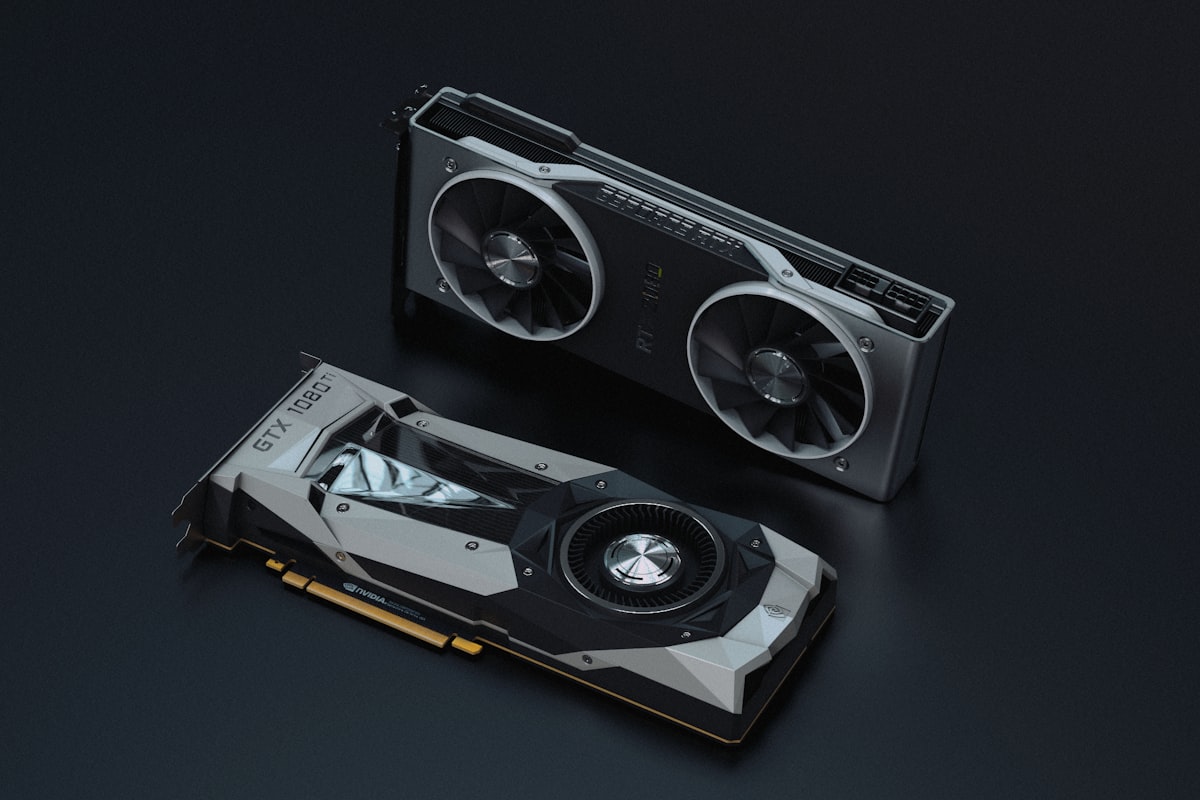
If Nvidia is the "engine" of the AI computing revolution, then Micron Technology (NASDAQ: MU) is the "fuel" that keeps the engine running. Without memory, even the most powerful GPU is just a silicon chip with nothing to compute on.

In 2026, Micron's stock price surged from $79 at the start of the year to around $970, a gain of more than 70% (and if you measure from the 2023 low, the cumulative gain reaches an eye-popping 918%). The Wall Street consensus target price from 30 analysts is $975, but some analysts are calling it "severely overvalued" with a fair value of just $300.

Who's right? Or are they both right? Let's break it down.

mu-analysis_body1.jpg

*AI data centers—every HBM chip inside these servers is Micron's printing press.*


I. Business Model Breakdown

Two Core Product Lines

Product LineUse CasesEstimated 2026 Revenue ShareCharacteristics
DRAMPhones, PCs, servers, AI (HBM)~65-70%Oligopoly market, three giants control 95%
NAND FlashSSDs, mobile storage, automotive, IoT~25-30%Oligopoly market, four giants control 85%

The Key Focus: HBM (High Bandwidth Memory) = Gold of the AI Era

HBM (High Bandwidth Memory) is Micron's fastest-growing business and the core logic supporting the $970 stock price:

  • HBM is essential for AI GPUs (Nvidia H100/H200/GB200, AMD MI300)—each GPU requires 4-8 HBM chips
  • Micron's HBM3E delivers 1.2 TB/s bandwidth + 24GB capacity (8-high), making it the fastest HBM currently available
  • Micron's 12-stack HBM is about to enter mass production, increasing per-GPU memory capacity by 3.5x, enabling AI models 34x larger
Key data: Micron's HBM capacity is already booked through the end of 2026. In other words, full-year HBM capacity is sold out, with customers lined up waiting for product.

Customer Structure

Customer CategoryProductsDemand Drivers
Cloud Computing Vendors (AWS, Google, Microsoft, Meta)HBM + Server DRAMAI training/inference
AI Chip Makers (Nvidia, AMD)HBM3EGPU配套 (largest growth engine)
Mobile Brands (Apple, Samsung, Xiaomi)Mobile DRAM + NANDAI phone replacement cycle
PC OEMs (Dell, HP, Lenovo)DDR5 DRAM + SSDAI PC proliferation
Automotive (Tesla, BYD, traditional automakers)Auto DRAM + NANDSmart driving + in-vehicle entertainment

Pricing Mechanism: Long-Term Contracts = Predictable Profits

The memory chip industry's historical Achilles' heel was "commoditization + extreme price volatility." But HBM has changed the game:

  • HBM uses a long-term contract model—customers sign 3-5 year supply agreements in advance, with fixed or semi-fixed prices
  • This makes Micron's HBM revenue highly predictable, no longer the old pattern of "making a fortune one quarter, losing money the next"
  • Traditional DRAM/NAND remain cyclical, but HBM's long-term contracts significantly stabilize overall profit margins

Industry Oligopoly Landscape

DRAM Big Three:

CompanyMarket ShareStrengths
Samsung~42%Widest product line, largest capacity
SK Hynix~34%HBM leader (Nvidia's main supplier)
Micron~23%Strongest HBM3E performance, fastest growth
Micron's position in HBM: third place, but the fastest grower. Hynix is the current HBM king, but Micron's HBM3E is competitive in both bandwidth and power consumption, and yield improvements have been impressive.

II. Latest Fundamental Data

FY2026 Financial Summary

Micron's fiscal year ends in late August; "FY2026" = September 2025 to August 2026.
MetricQ2 FY2026 (Most Recent Quarter)YoY Change
Revenue$23.9 billion+195% 🔥
Gross MarginSignificantly improvedFrom losses to high double digits
EPSFar exceeded market expectations
HBM RevenueRapidly climbingSupply cannot meet demand

Key Numbers

mu-analysis_body2.jpg

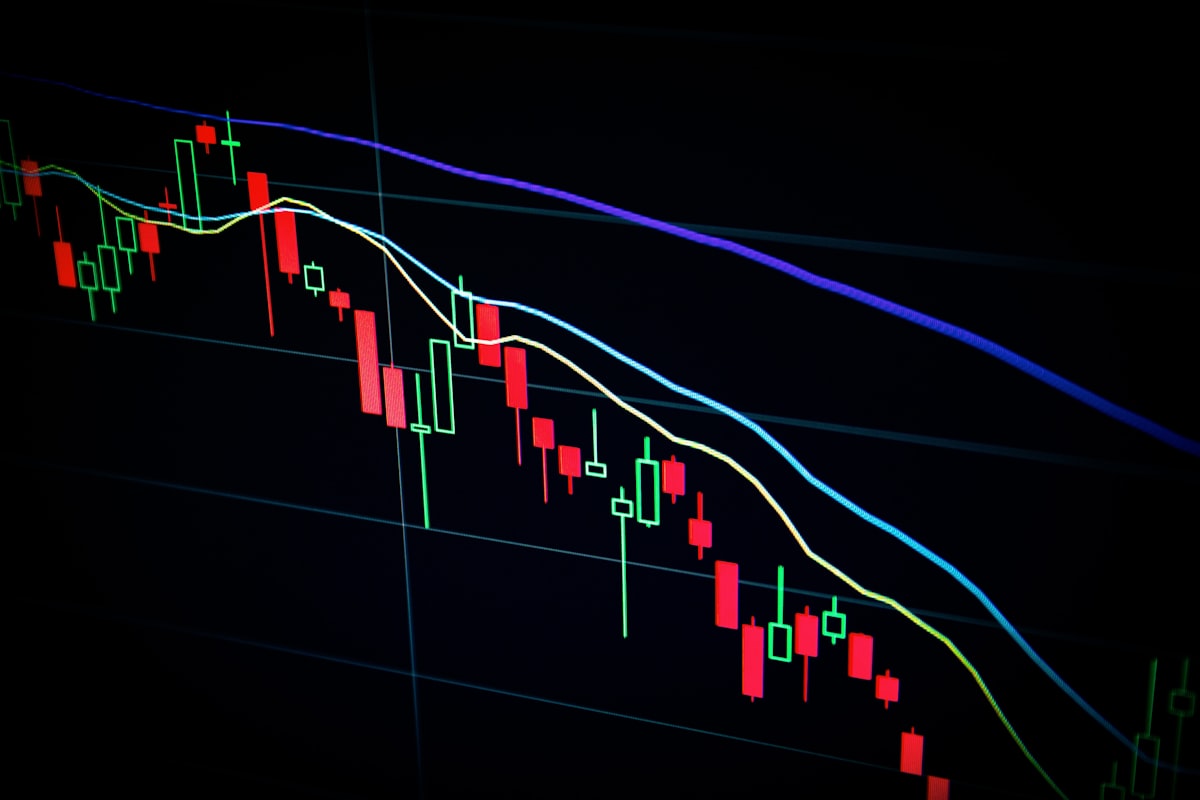
*Wall Street's disagreement has never been greater—one side sees a decade-long bull run in the HBM super cycle, the other sees a cliff at the top of the memory cycle.*

MetricValue
Stock Price (June 2026)~$970
52-Week Range$79 - $546 → now far exceeds
Market Cap~$107 billion
2026 YTD Gain+70%
Gain Since 2023 Low+918%
Analyst ConsensusBuy (30 analysts)
Average Target Price$975
Valuation Model Fair Value$300 (bears) ~ $664 (bulls)

Capital Expenditure Pressure

Micron is in the largest capacity expansion cycle in its history:

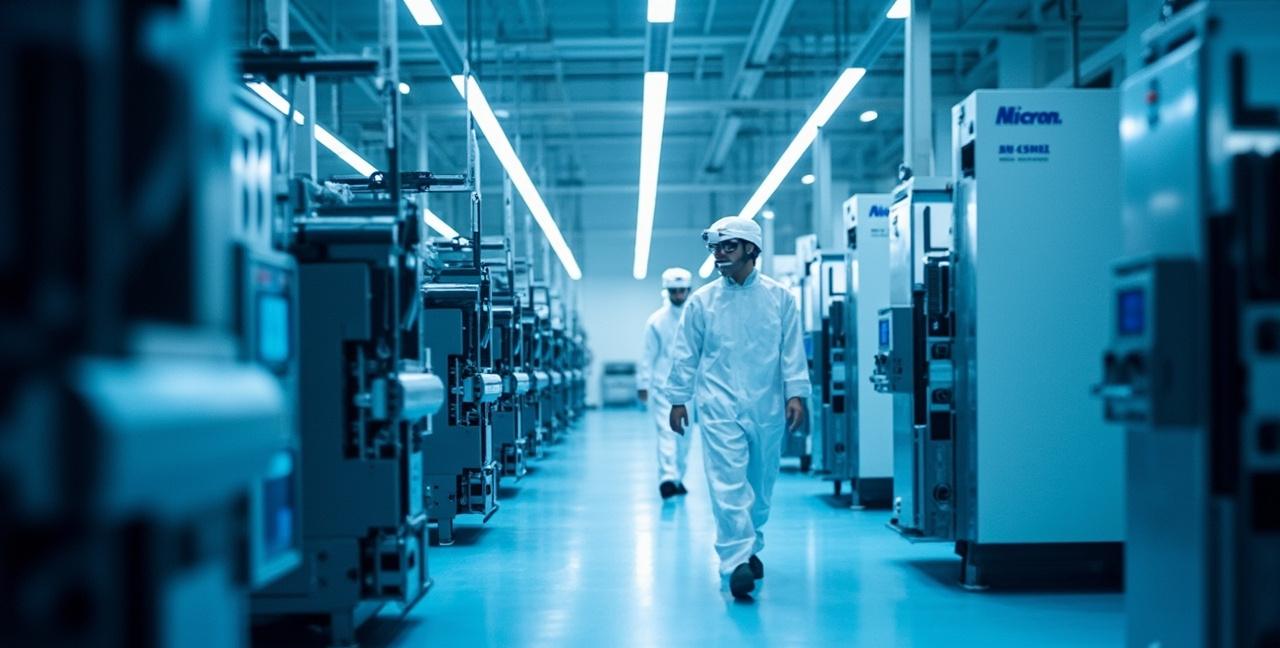
  • Idaho Boise new fab: HBM-dedicated capacity, operational in 2026
  • New York Clay mega-factory: The largest U.S. domestic memory fab in the next 20 years
  • CHIPS Act subsidies: Receiving billions of dollars in U.S. government funding
  • CapEx: FY2026 expected at $15-18 billion (30-40% of revenue)
High CapEx is a double-edged sword: on one hand it reflects strong demand; on the other, it means large amounts of cash are locked up in factories and equipment. If demand falls short of expectations, depreciation pressure will significantly erode profits.

Industry Cycle Position

MetricCurrent StatusInterpretation
DRAM Contract PricesYoY +170% (Q3 2025)Still rising
NAND Contract PricesSignificant YoY increaseFollowing DRAM
Q2 2026 ExpectationsDRAM +58-63% QoQ, NAND +70-75% QoQUps trend hasn't stopped
Supply GrowthDRAM 16% YoY, NAND 17% YoYBelow historical average
Data Center Share70% of global memoryAI is taking capacity away from consumer electronics
The RAM shortage is expected to last until at least 2029. This is because building a new memory fab takes 2-3 years, while AI demand is growing much faster than capacity can expand.

III. Bull vs. Bear Comparison

🟢 Bull Catalysts

1. HBM Super Cycle—Supply Shortage Through 2027

HBM capacity is already booked through the end of 2026. Even with Micron expanding capacity at full speed, analysts expect the shortage to persist at least through 2027. And HBM's average selling price (ASP) is 3-5x that of traditional DRAM, with extremely generous margins.

2. Price Increases Across All Chip Categories

It's not just HBM—even regular DRAM and NAND are rising. DRAM contract prices are up 170% YoY, with similar gains for NAND. This isn't merely an "HBM concept trade," but an industry-wide super cycle.

3. 3-5 Year Long-Term Contracts

HBM's long-term contract model gives Micron's revenue and profits unprecedented predictability. Customers paying upfront + locked-in prices = Micron can confidently expand capacity without worrying about not being able to sell.

4. AI End-Device Demand Growth

  • AI PCs: Each requires 2-4x more DRAM
  • AI Phones: 12-16GB RAM becoming standard (previously 4-8GB)
  • Autonomous Driving: Explosion in automotive storage demand
  • Edge AI: IoT + 5G + AI inference

5. U.S. Domestic Manufacturing Policy Tailwinds

CHIPS Act subsidies + geopolitical risks have the U.S. government strongly supporting domestic semiconductors. As the only American memory giant, Micron benefits most from these policies.

🔴 Core Risks

1. Memory's Strong Cyclicality—The Curse of History

The memory industry is widely recognized as a "strong cyclical" sector. Historically, every peak of a memory super cycle has been accompanied by voices saying "this time is different"—only for prices to crash and profits to evaporate.

"Micron has always been one of the hardest stocks for investors to trust because memory cycles can look incredible right before they turn."

This sentence is the most accurate description of Micron. 1995, 2000, 2007, 2018, 2022—at every cycle peak, someone said "this time is different," and the result was always the same.

2. Massive Capital Investment = Digestion Risk

FY2026 CapEx of $15-18 billion. If AI demand growth slows (even just from +200% down to +50%), new capacity becomes excess capacity, triggering a price war.

3. Samsung + Hynix Competitive Expansion

  • Samsung is also significantly expanding HBM capacity and has stronger financial muscle
  • SK Hynix is Nvidia's primary HBM supplier with deep relationships
  • Once all three giants complete their expansion simultaneously, undersupply could quickly turn into oversupply

4. Consumer Electronics Demand Volatility

AI-driven data center demand is strong, but the replacement cycles for phones and PCs remain unstable. If the global economy slows, consumer electronics demand could drag down overall memory prices.

5. Valuation at Historical Highs

The $970 stock price reflects extremely optimistic expectations. Bears believe fair value is only $300—even if that's too pessimistic, $970 has indeed priced in the best-case scenario for the next 2-3 years.

6. U.S.-China Semiconductor Regulation

  • U.S. export restrictions on chips to China may affect Micron's revenue in China (China is Micron's second-largest market)
  • China may impose retaliatory tariffs or restrictions on U.S. memory chips
  • Chinese domestic players like CXMT (ChangXin Memory Technologies) are catching up

IV. Comprehensive Investment Judgment

Short-Term Speculation (1-3 Months): ⚠️ High Risk, Caution

FactorAssessment
MomentumExtremely strong (YTD +70%), but overbought signals are clear
ValuationAlready at historical highs, with extreme analyst disagreement
CatalystsNext earnings report (may exceed expectations again), HBM new contract announcements
Risk EventsU.S.-China chip regulation news, Samsung/Hynix capacity expansion announcements

Short-Term Tactical Approach:

  • If you already hold a position → set a trailing stop to lock in profits
  • If you haven't entered → not recommended to chase at $970. Wait for a pullback to $750-820 before considering
  • Options strategy: consider selling far-month Puts ($800-850 strike) to lower cost basis with the premium

Long-Term Allocation (1-3 Years): ✅ Bullish, But Need Patience for Entry Point

ScenarioProbabilityTarget Price
Super Bull — HBM shortage continues through 2028 + DRAM/NAND keep rising30%$1,200-1,500
Base Case — Cycle peaks mid-2027, growth slows thereafter45%$900-1,100
Bear Case — 2027 oversupply + price crash + valuation reversion25%$400-600

Long-Term Tactical Approach:

  • Aggressive: Build positions in batches at $800-900, target $1,200+, stop loss $650
  • Conservative: Wait for the next quarterly report to confirm continued growth + pullback to $700-800 before entering
  • Not Suitable For: Investors with low volatility tolerance, those unfamiliar with semiconductor cycles, those seeking stable dividends
Remember: the biggest enemy of memory stocks isn't competitors—it's "the cycle topping out." Every super cycle ends—the only question is when. And the ability to judge when a cycle is topping out is the most critical skill for investing in Micron.

Key Indicators to Monitor

IndicatorWhat to WatchWhy It Matters
DRAM/NAND Contract PricesQuarterly TrendForce reportsFastest signal of cycle direction
HBM Capacity UtilizationDisclosed in Micron's quarterly reportsHealth of core growth engine
CapEx as % of RevenueQuarterly dataDigestion risk indicator
Inventory Turnover DaysQuarterly reportsSlow-moving inventory = early sign of cycle topping
Samsung/Hynix HBM ExpansionCompetitor quarterly reportsSupply-side changes
AI CapEx GuidanceHyperscaler capital expenditureLeading indicator of demand

Conclusion: A Golden Era for the Fuel Supplier

Micron's positioning in the AI era is unique—it doesn't compete directly with Nvidia, but is instead Nvidia's essential supplier. Behind every H100, H200, and GB200 are Micron's HBM chips.

But the cyclical laws of the memory industry have never disappeared. This time might truly be "different"—HBM long-term contracts + AI structural demand + limited supply—but history tells us that the endings of every "different" cycle look pretty similar.

The right posture: Be bullish on Micron's long-term logic, but respect the cycle. Don't chase when sentiment is at its peak; instead, look for entry opportunities during pullbacks.

"The biggest lesson the memory chip industry teaches us: at the moment when everyone believes undersupply will last forever, the cycle is already waiting around the corner."

⚠️ Disclaimer: This article is for educational purposes only and does not constitute investment advice. Investing involves risk.

Related Articles

AI Recommended